

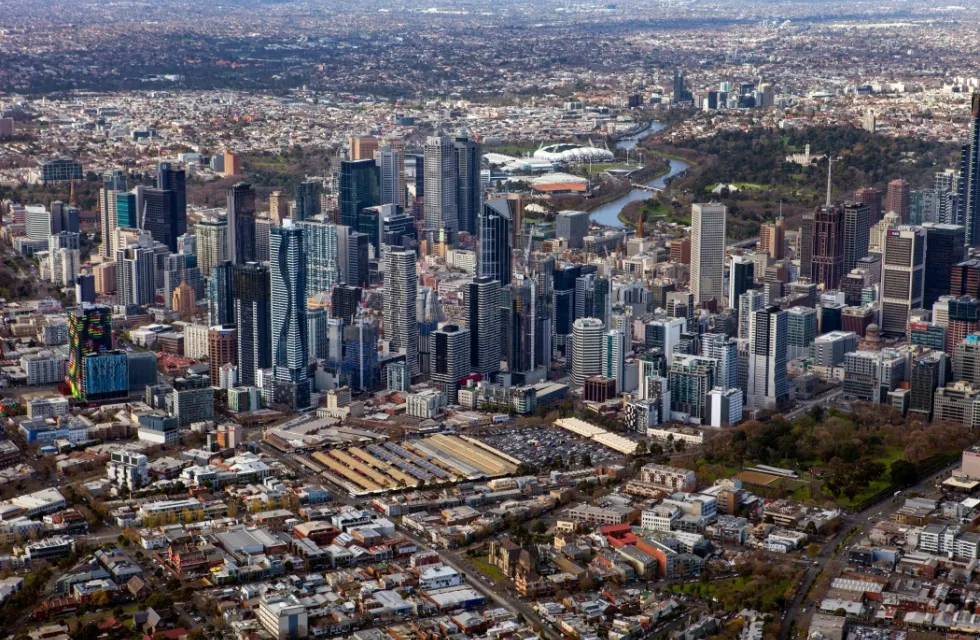
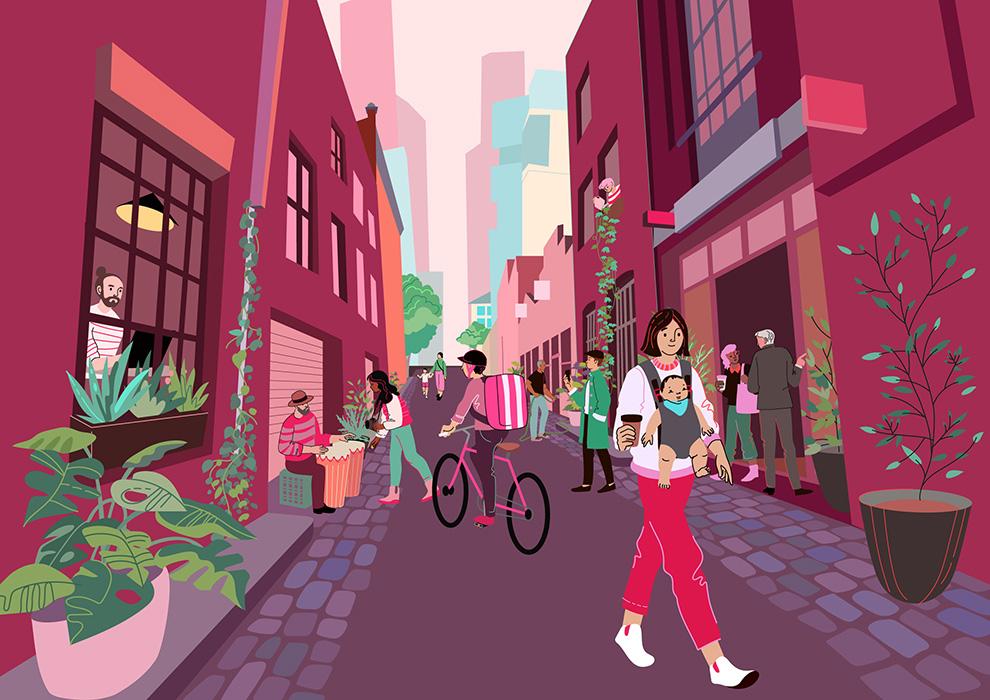
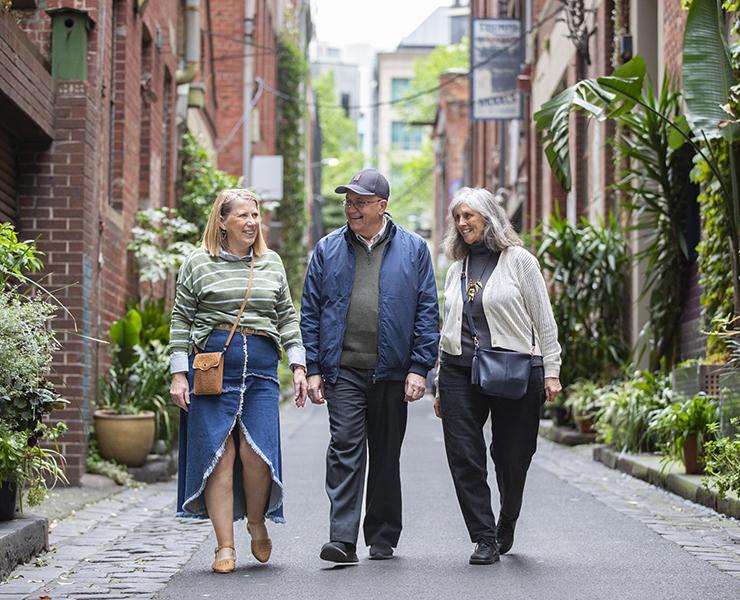
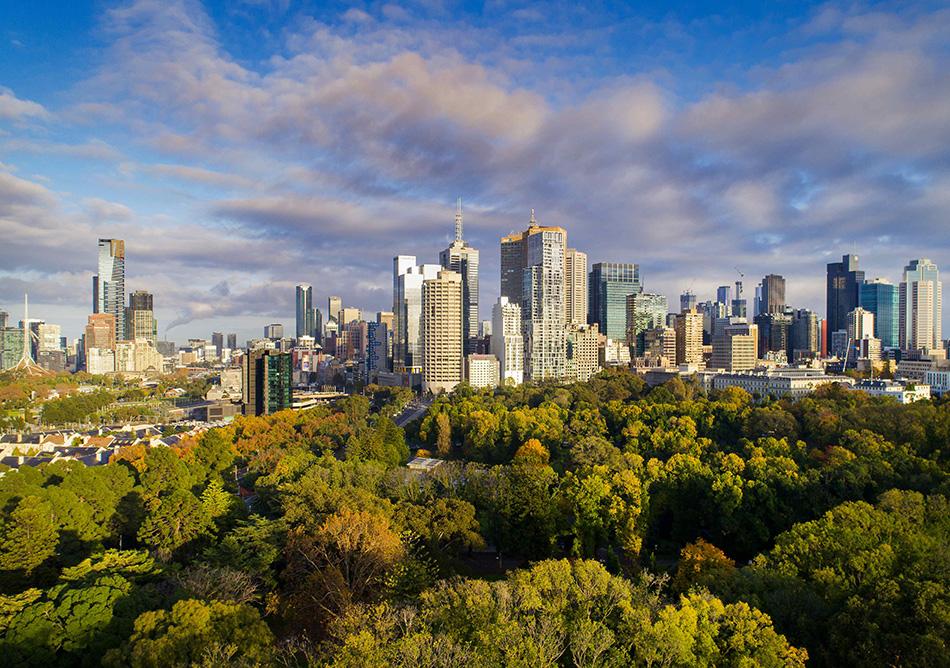
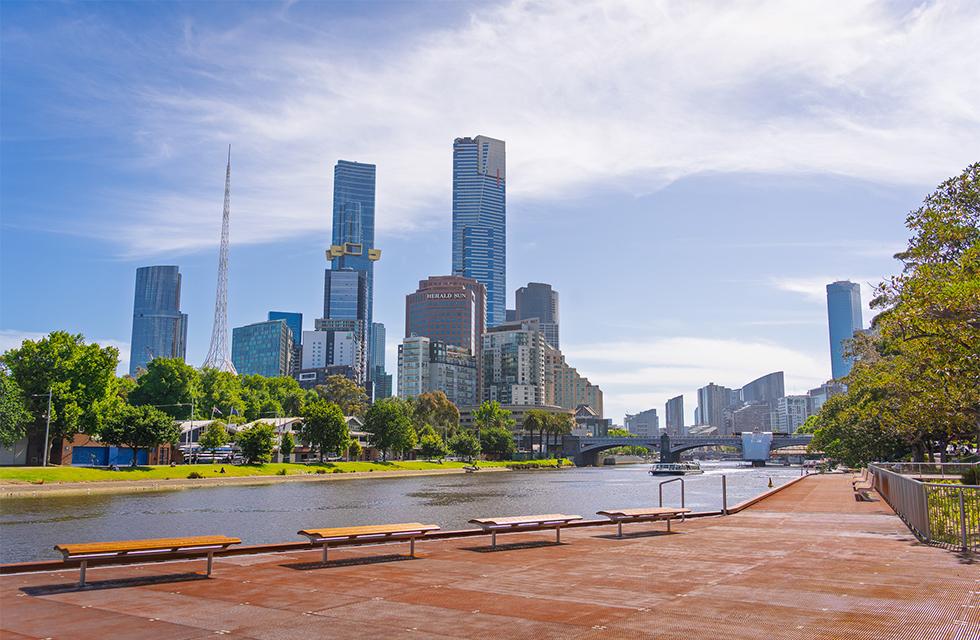
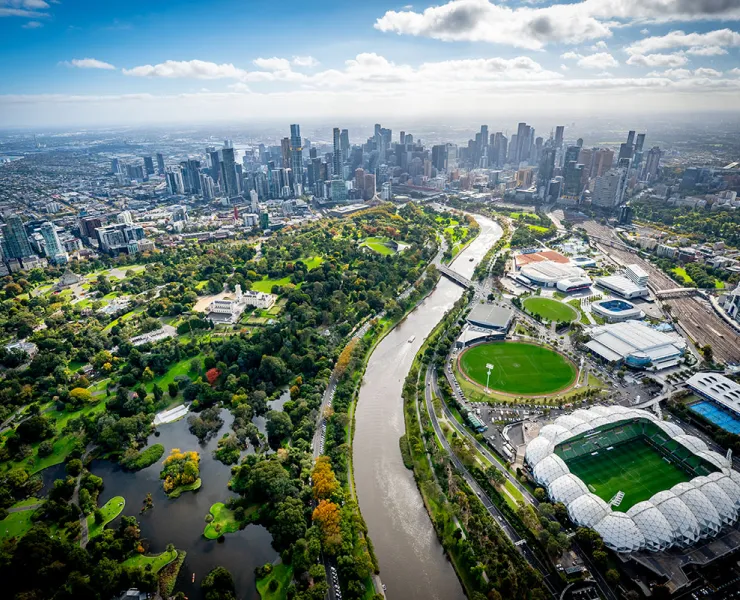
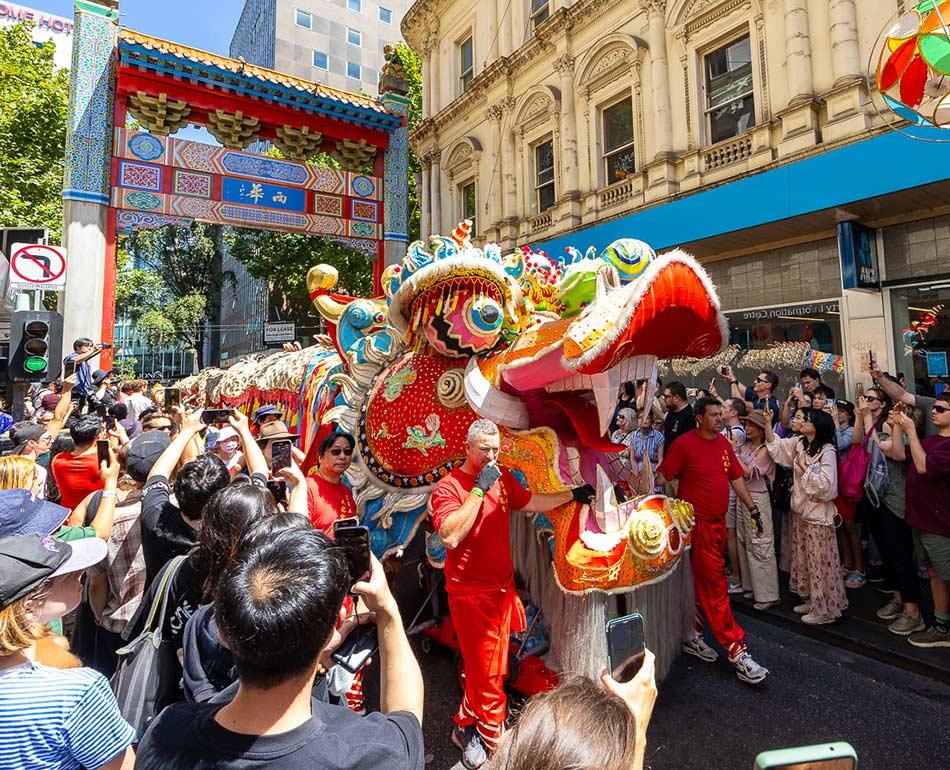
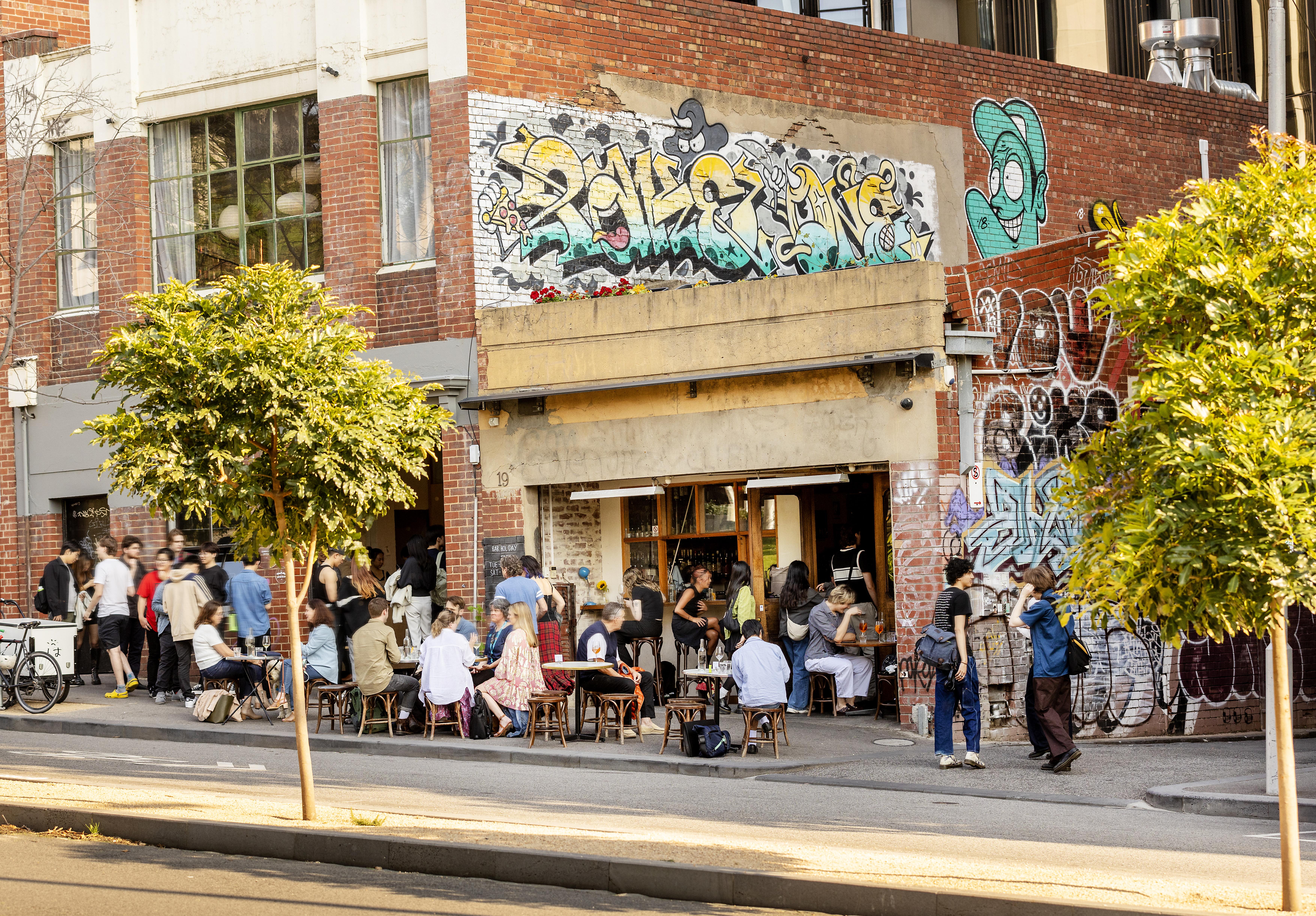
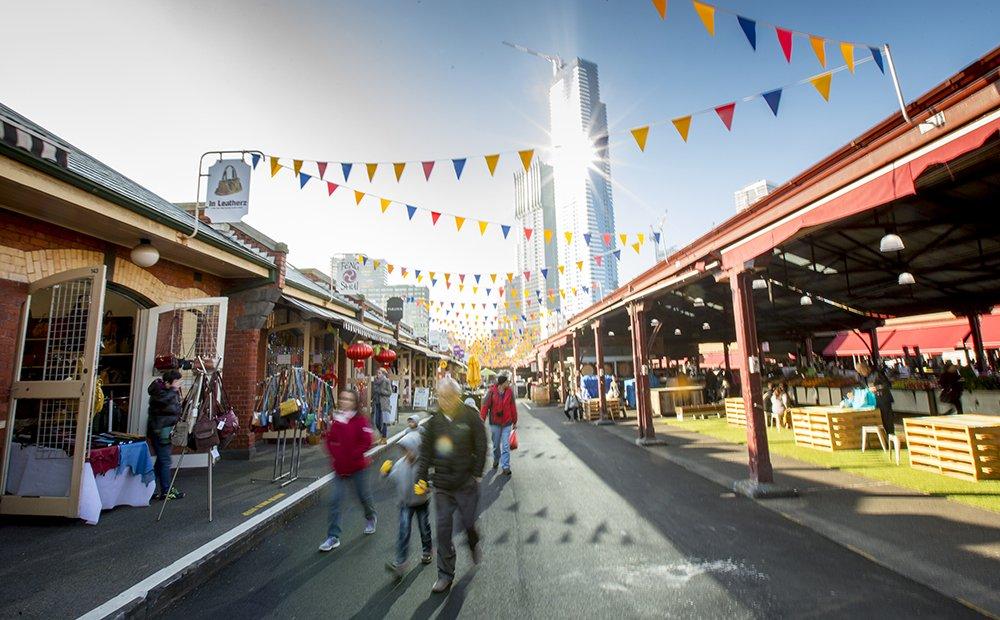
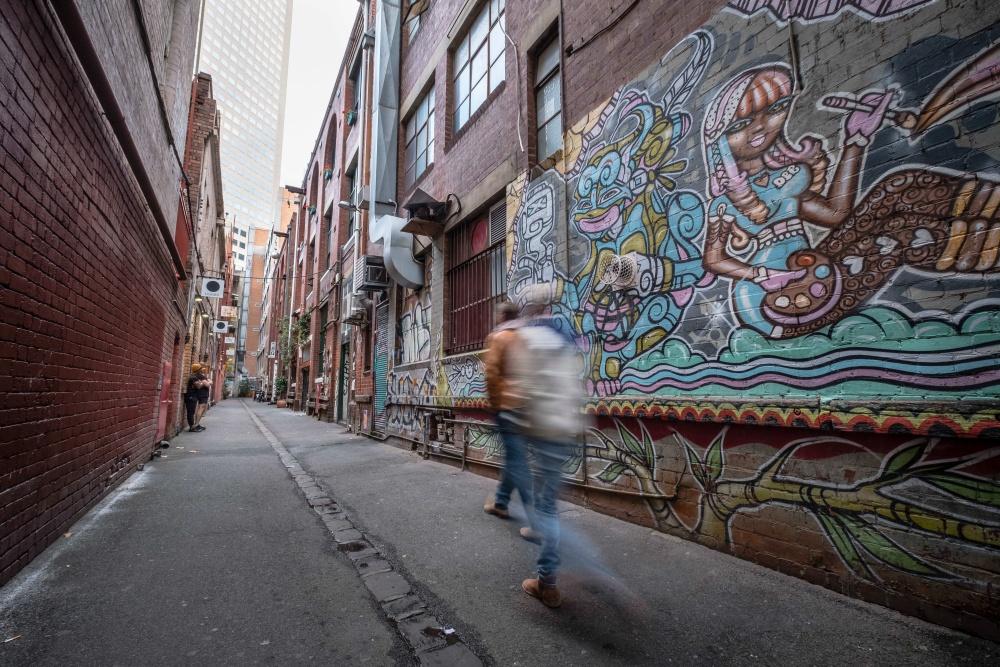
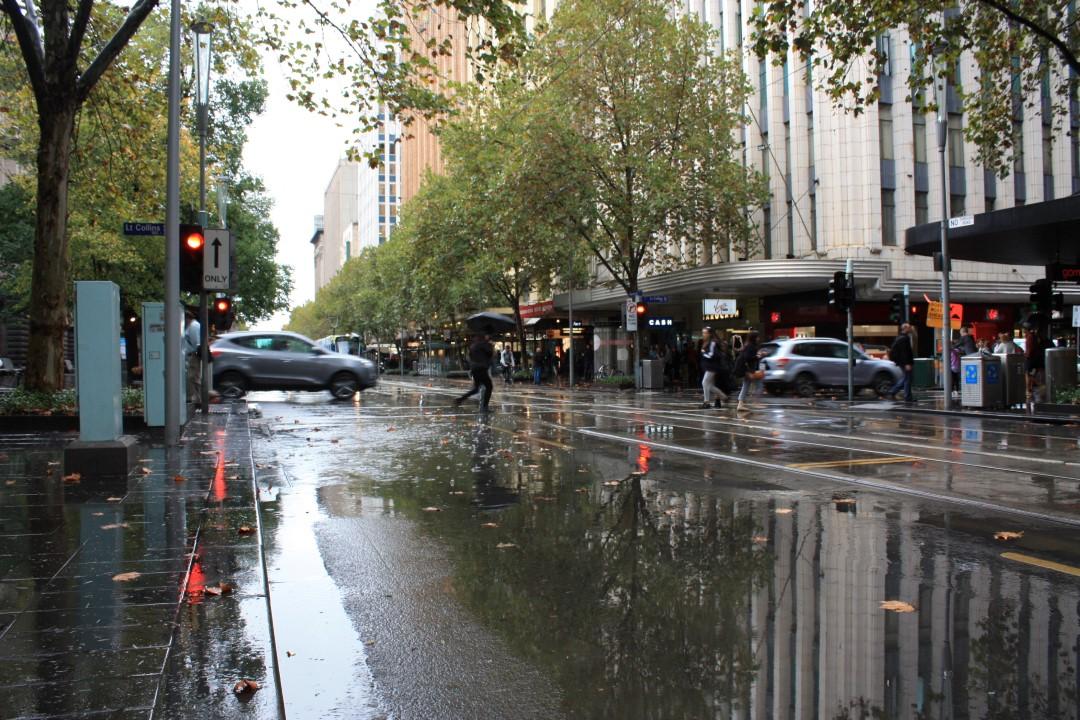
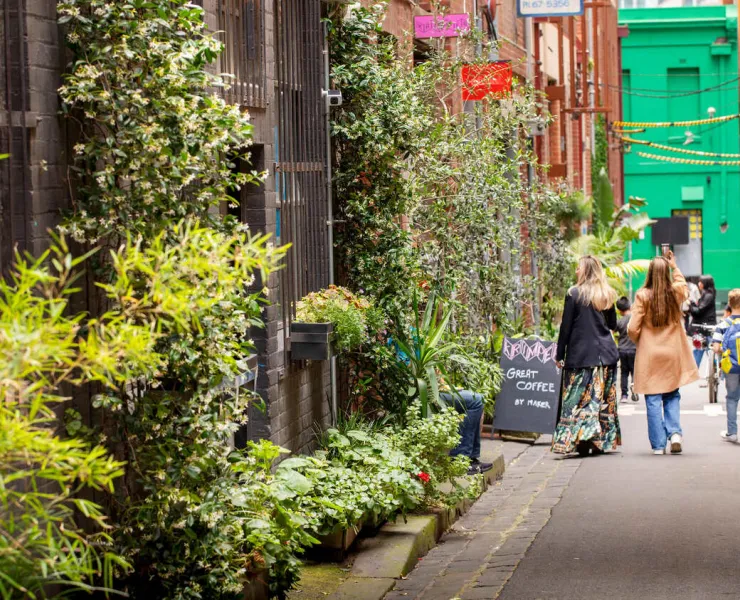
Melbourne CBD, including the Hoddle Grid, is the heart of Melbourne and the cultural, social and economic capital of Victoria. It is home to Melbourne’s famed laneways, arcades and cafe culture, a distinct blend of contemporary and Victorian architecture and a diversity of events, shopping, dining, and nightlife. It has several precincts, including Chinatown, Koreatown, and the Greek Quarter. Many of Melbourne’s most iconic landmarks can be found here, including State Library of Victoria, Queen Victoria Market and Federation Square.
Did you know?
The Woi-wurrung name for Melbourne is narrm and narrm is on the traditional lands of the Wurundjeri-willam.
Woi-wurrung language is used here with permission from the Wurundjeri Woi-wurrung Cultural Heritage Aboriginal Corporation.
CBD updates
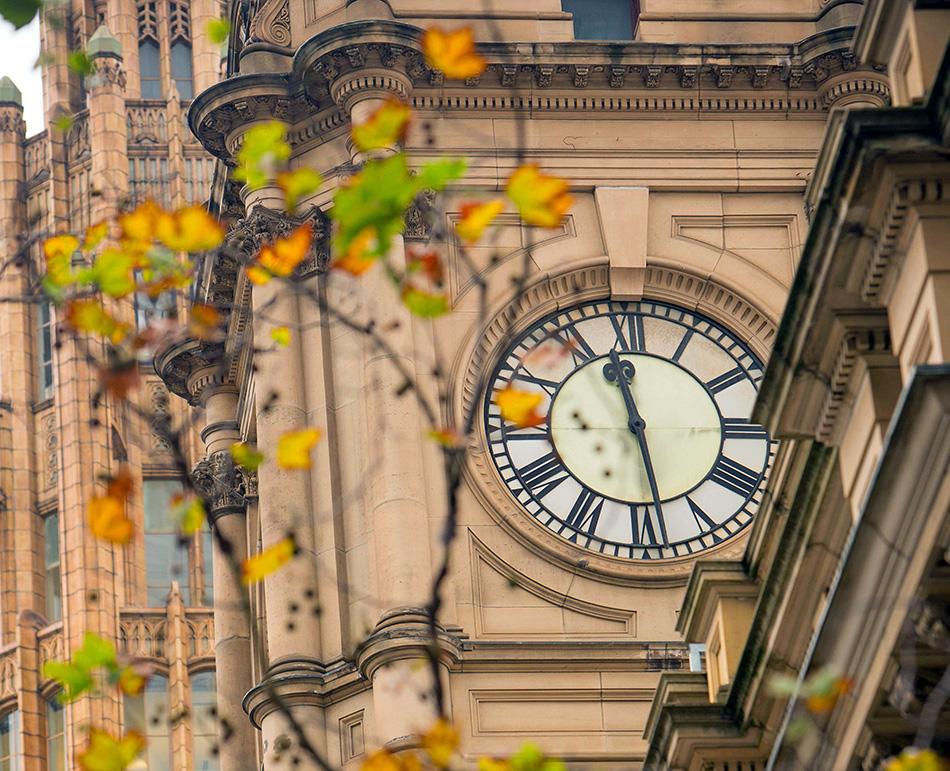
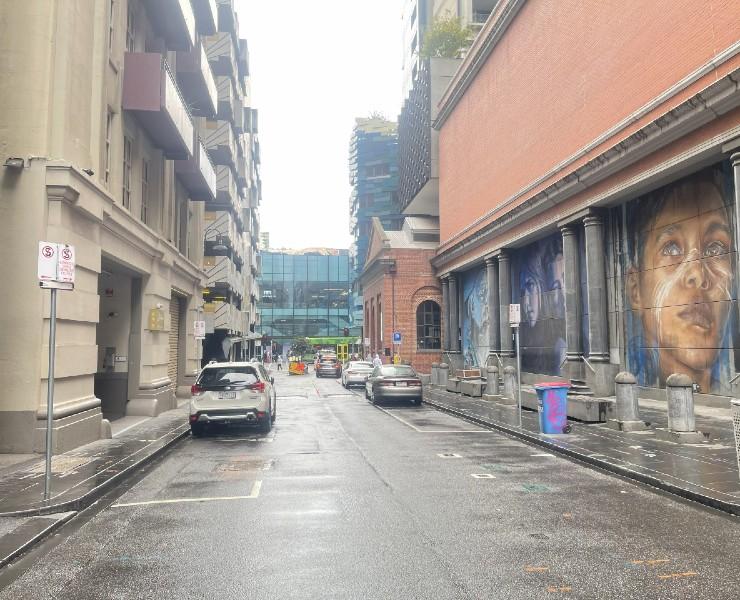

Active projects and consultations

CBD quick facts
- 54,001 residents: CBD residents make up 29% of the total population of the City of Melbourne. (Source: Estimated Resident Population 2023)
- 7,644 businesses: CBD businesses make up 54% of the total businesses in the City of Melbourne. (Source: CLUE 2023)
- 227,462 local jobs: CBD local jobs make up 44% of the total jobs in the City of Melbourne. (Source: CLUE 2023)
- 28 median age: Compared with a median age of 30 for the City of Melbourne. (Source: ABS Census 2021)
- 69% born overseas: Compared with 55% of residents born overseas in the City of Melbourne. (Source: ABS Census 2021)
- 61% speak a language other than English at home: Compared with 46% of residents who speak a language other than English at home in the City of Melbourne. (Source: ABS Census 2021)
- 99% of dwellings are flats or apartments with three or more storeys: Compared with 85% of dwellings in the City of Melbourne. (Source: ABS Census 2021)
- 69% of households are renting: Compared with 63% of households in the City of Melbourne. (Source: ABS Census 2021)
- 6.3% live with a mental health condition: Compared with 8.1% of residents who live with a mental health condition in the City of Melbourne. (Source: ABS Census 2021)
Note:
- Data is sourced from 2021 Australian Bureau of Statistics (ABS) Census of Population and Housing, ABS Estimated Resident Population 2023, and 2023 Census of Land and Employment (CLUE).
- To access more data on the CBD, visit CBD community profile on profile .id External link.
- To learn more about the ABS Census of Population and Housing, including definitions, visit: Guide to Census data External link.
Your Neighbourhood Partner: Kimberley Pierczchalski
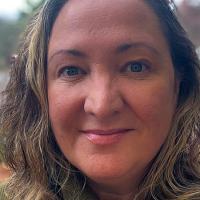
Each of our 10 neighbourhoods has a dedicated City of Melbourne staff member to support the community. Kimberley, the Neighbourhood Partner for Melbourne CBD, has strong local knowledge and can help you navigate council processes, drive local priorities and connect you with grants for community projects.
Have a question?
Chat with one of our friendly team members during business hours who can answer your question or connect you with your Neighbourhood Partner.
Submit an event or activity
Want to share information about local activities in the CBD neighbourhood? Submit the details for our consideration for publishing on this page.
Subscribe to Melbourne News
Subscribe to our newsletter to stay up to date with news across City of Melbourne.

