

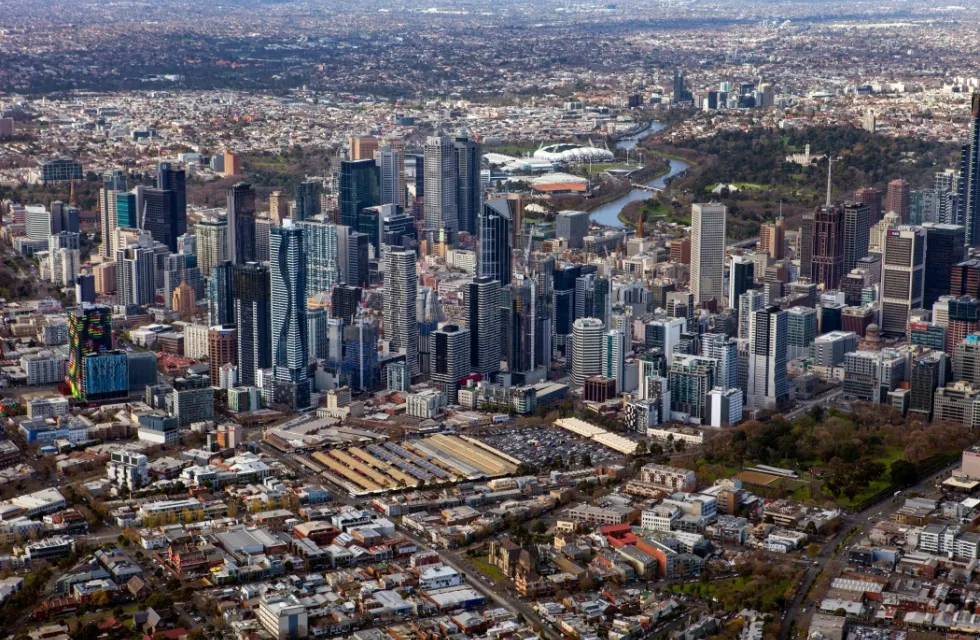
At present, the City of Melbourne does not prevent the use of burning wood in indoor fireplaces or outdoor wood fire devices, such as fire pits and chimneys. Under the Environmental Local Law 2024, it is only a prohibited activity to incinerate or otherwise burn waste material in the open on any premises.
Wood smoke pollution
For health reasons, wood heater owners have an obligation to reduce smoke from wood heating. You should also consider:
- your neighbours’ health when using a wood heater
- other ways of heating your house, especially on calm days with not much wind. Smoke from wood heaters can build up in these conditions.
How to choose the right wood heater
- Use a certified wood heater. This helps reduce wood smoke emissions. Use a wood heater that meets the Australian Standard External link for heat efficiency ‘AS 4012’ and smoke emissions ‘AS 4013’. The Australian Home Heating Association External link has information on how to find certified wood heaters External link that meet these standards.
- Make sure a licensed professional installs your heater, using the Australian Standard for installing wood heaters. Follow your wood heater’s manufacturer instructions.
To reduce the amount of smoke your wood heater produces, always follow the steps to use your wood heater in the right way External link.
You should:
- burn only dry, seasoned, untreated wood
- wait for the fire to establish before adding extra fuel
- open the air controls for a few minutes before adding fuel
- after reloading, wait until the fire is burning before turning the air controls down
- use small or medium pieces of wood, and avoid overloading your heater, as this will starve the fire of oxygen and cause it to smoulder.
How to maintain your wood heater
Maintaining your wood heater helps reduce wood smoke emissions.
Creosote is leftover mixed char and oil that burning wood produces. Over time, it can block the flue. This means less air flows through the flue and the wood heater emits more smoke. Clean your flue before winter, professionally if needed.
Ash can also build up on top of your wood heater's baffle plate. The baffle plate is the metal part inside the top of the wood heater. It helps produce more heat when burning wood. Ash on the baffle plate stops the wood heater from working well. Make sure the baffle plate is clear of ash before using your wood heater each winter. You can self-clean your wood heater's baffle plate. Take a metal coat hanger and bend it so you can sweep around and clear ash from the baffle plate.
For more information:
- Wood heaters, solid fuel heaters, and flues External link – Victorian Building Authority
- Wood smoke and air quality External link – Environment Protection Authority Victoria
Investigation of wood smoke complaints
If there is excessive smoke from your neighbour’s wood heater, you should approach them directly to attempt to work together to resolve the problem.
If talking to your neighbour does not resolve the issue, you can report a public health complaint
Report the issue in relation to offensive fumes from wood smoke.
Council’s authorised officers have powers under the nuisance provisions of the Public Health and Wellbeing Act 2008 (The Act) to investigate such complaints about wood smoke. The investigating officer will request that you maintain a nuisance log sheet to record frequency of occurrence and assessment of impact to your health.
Nuisance log sheet (DOCX 72 KB)
As part of the investigation, officers will conduct an educational visit as well as an assessment of timber used and maintenance of the wood heater installed.
If nuisance conditions are established, council can direct the owner of a property or the person causing the nuisance to take all reasonable steps to mitigate the nuisance.

