There are many ways to reduce the impact of your business on the planet and our community. Let’s get started.
Reduce the impact of your business
Select the topics below and find out how your business can make a difference.

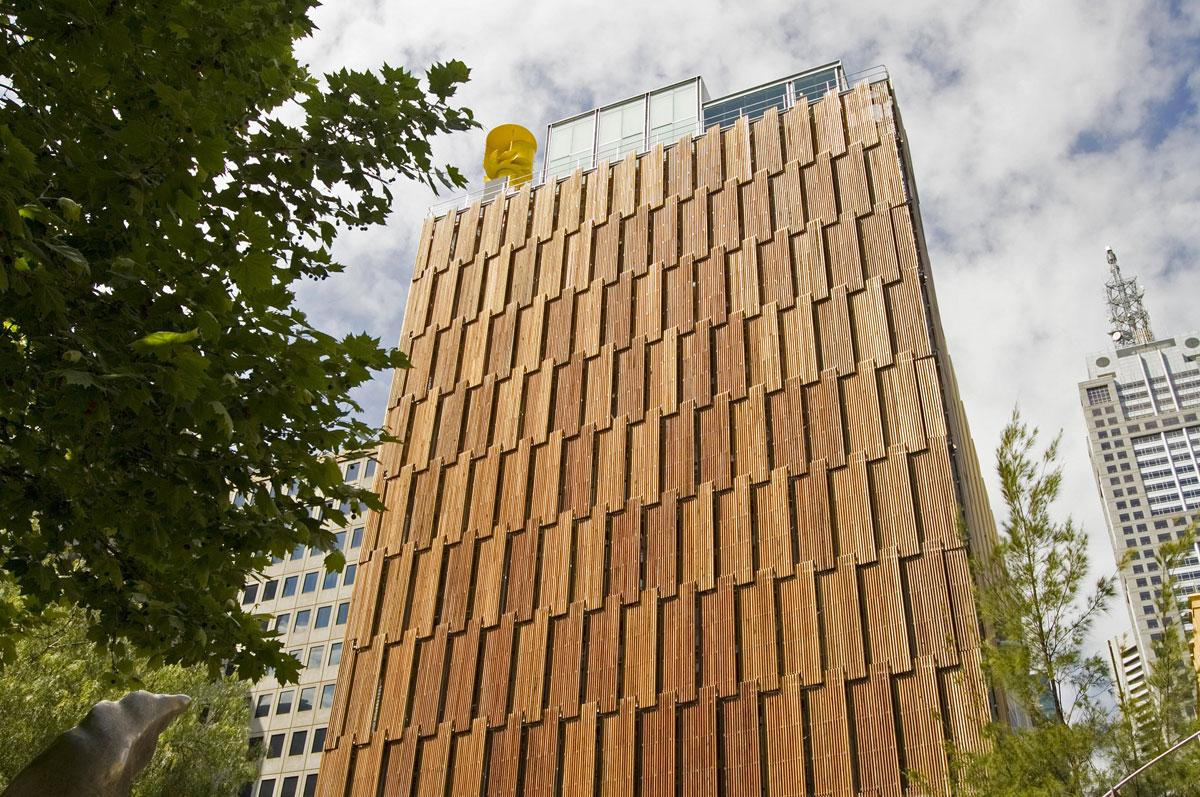
The first step in being more sustainable is selecting an environmentally conscious site to run your business from.
Whether you want to own the building or rent out some space, here are some questions you can ask real estate managers to help inform your choice. The more questions answered with a yes, the more sustainable your building is. Importantly, where energy and water efficiency is concerned, you can also save a lot of money on your utility bills.
If your business primarily operates from an office, the City of Melbourne can provide you with more support and specific resources for greenhouse gas emissions reductions in your business through the CitySwitch External link program. Find out more at Reduce emissions in your office.
Download the checklist below:

Planning makes it easier to be more sustainable. Focus on the things that are achievable and you can do well. Don’t try to do everything at once.
Planning tips
- Determine your objectives (what you want to achieve).
- Establish a baseline (what your current impact is).
- Set targets (where you want to get to).
- Brainstorm actions (to get you there).
- Make a plan (who, what, where and when).
- Put your plan into action.
- Check your progress and adjust actions (if needed) to achieve your target,
- Take any lessons on board for future planning and celebrate success!
Top tip: Don't try to do everything. Pick achievable and deliverable actions; save the rest for next year!
Statement of commitment
Make a statement of commitment – it helps get everyone on board and provides a clear message to the people you will be working with you as you run your business. View the statement of commitment example below.
Measurement and reporting your performance
Measuring your impacts helps you understand what your impacts are and enables you to identify opportunities for improvement, both environmentally and financially. Plus, quantifying your efforts helps you tell the story about all the awesome things you are doing.
Collating your data into a report helps provide the basis for your communications.
To help you plan, we’ve created a series of templates you can download below.

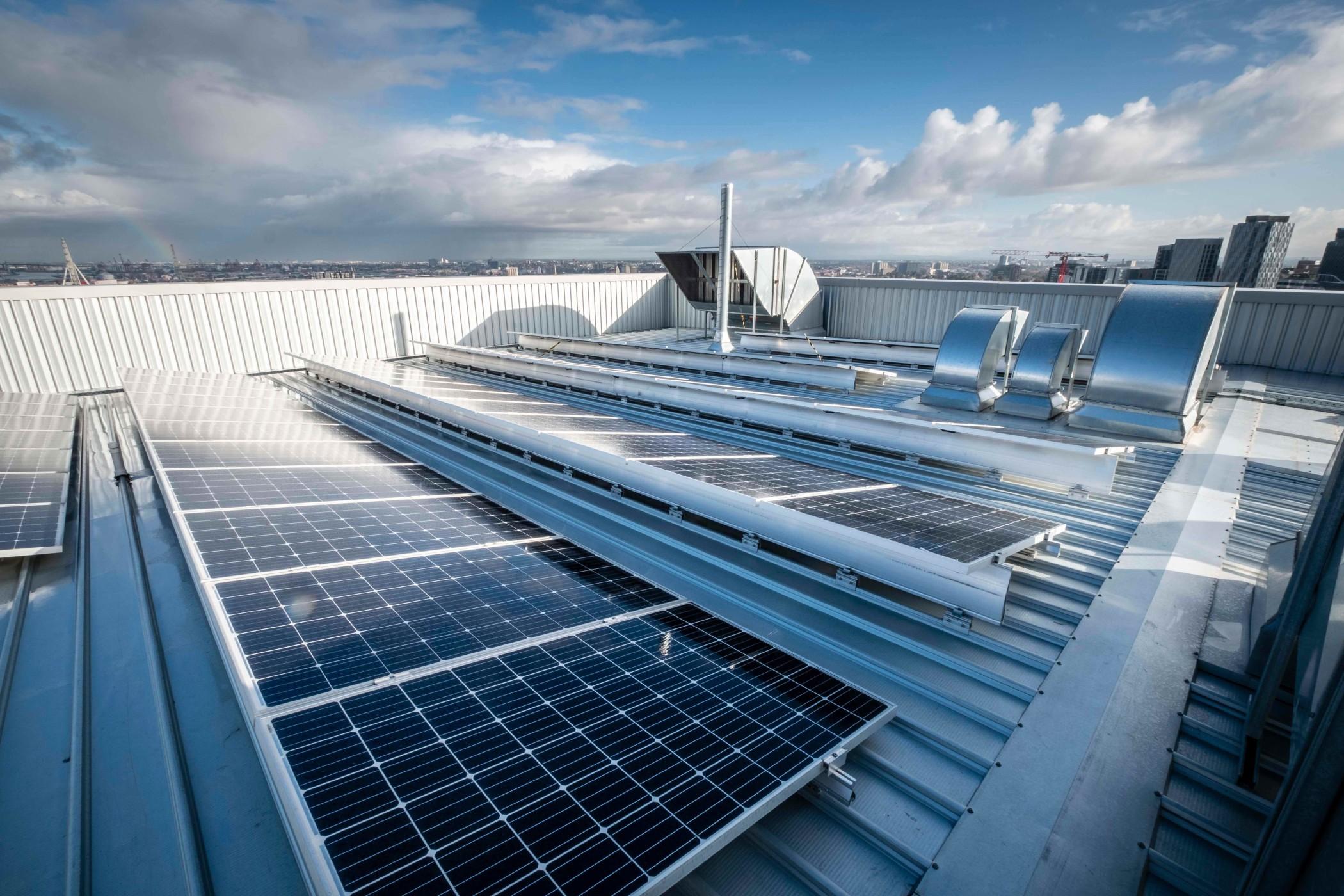
Investments in energy efficiency are one of the most cost-effective ways businesses can reduce their greenhouse gas emissions. Additionally, there are many low and no-cost ways businesses can get started reducing their energy demand.
Most energy used to power businesses comes from electricity, fossil natural gas, and petroleum fuels for business vehicle fleets. Electricity in Victoria is rapidly decarbonising. The Victorian Government plans for 95% of Victoria’s electricity to come from low-emissions renewable energy sources by 2035. Many businesses are taking advantage of the reducing emissions intensity of electricity to reduce emissions in their own businesses, by switching equipment that uses fossil fuels to equipment that uses electricity, a process known as “electrification”.
It is important we all take simple steps to reduce our energy use where we can and shift away from fossil fuels, to support the inevitable shift to renewable sources.
Did you know?
From a global standpoint, the International Energy Agency identified a need for buildings to improve energy intensity by 30 to 50 percent, per square metre to meet the goals of the Paris Agreement. Source - CitySwitch
Top five tips
- Create an energy management plan for your business – sign up to CitySwitch External link for free resources. There are many actions applicable to all types of businesses.
- Manage how often your air-conditioning, heating, lighting and appliances run and switch off these appliances when not in use. You can use programmable timers, occupancy sensors and thermostats to automate this process.
- Buy the most energy efficient appliances you can afford. You can compare the Energy Star rating of many appliances and compare your energy cost savings on the Australian Government’s Energy Rating website. External link
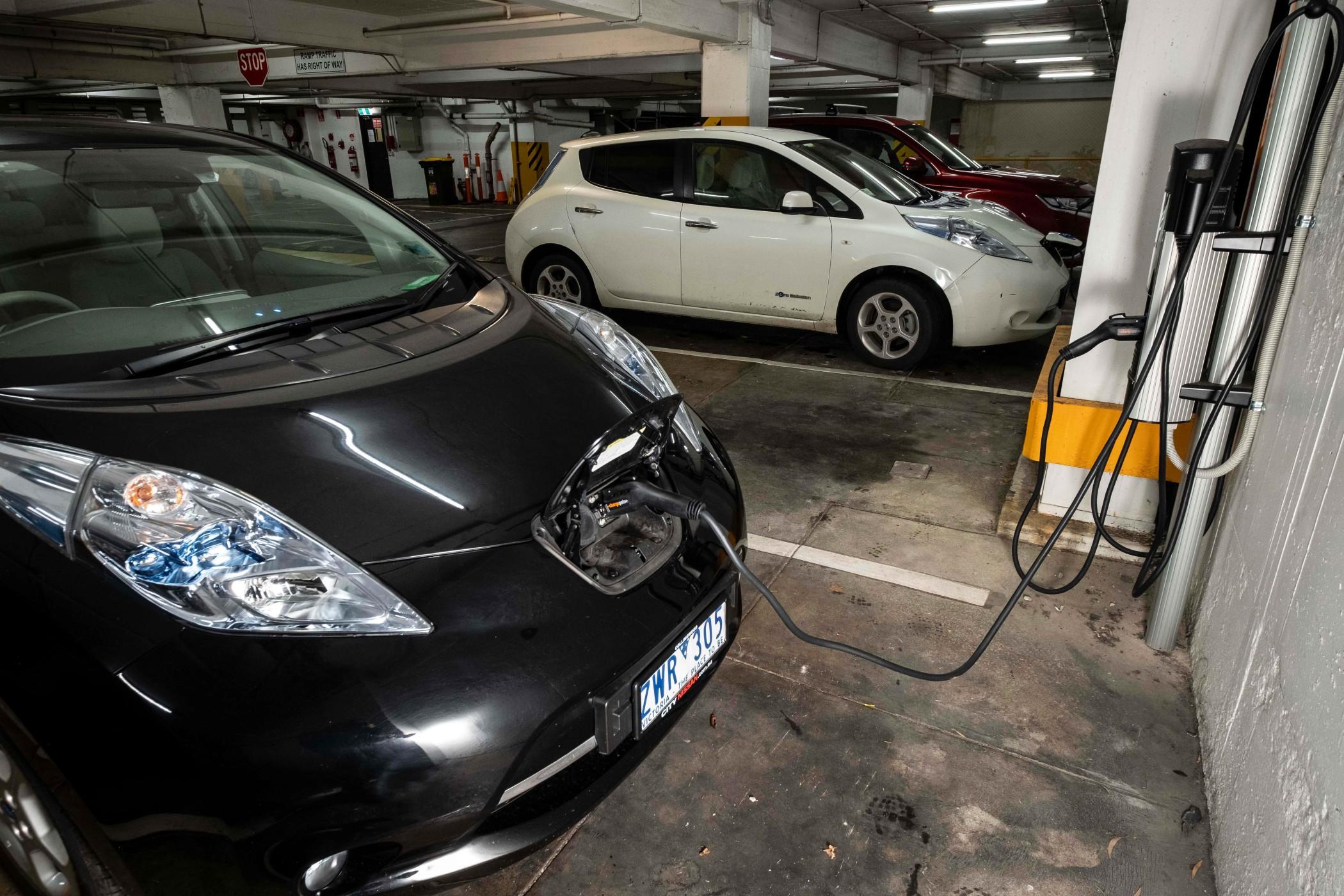
- Consider switching to all-electric appliances, such as heat pumps for heating and hot water, induction stovetops for cooking and electric fleet vehicles.
- Aim to run your business on 100% renewable electricity. Use comparison sites such as The Green Electricity Guide by Greenpeace External link and Victorian Energy Compare External link to help you compare renewable electricity plans.
To help you plan for your event's energy efficiency, download the template below.
Many businesses sell food and beverages in one form or another. It might be as simple as selling pre-packed bottled drinks or you might be a cafe or restaurant. Food and beverage choices contribute a significant part of anyone’s environmental impact.
1 in 6 Australian adults haven't had enough to eat in the last year, including 1.2 million children (Source: Food Bank External link)
Making some small changes to the way you cater at your event can have a big impact on the environment and the people in our community.
Did you know?
In Australia, 7.6 million tonnes of food is lost or wasted each year, 70% of which is perfectly edible. One in five bags of groceries, equal to around 312kg per person, is thrown away each year.
Source: Foodbank External link
Top five tips
- Provide staff with reusable bottles (or ask them to bring their own) and provide or sell reusable bottles or cups to your customers.
- Provide at least 50 per cent vegetarian and vegan options, and where possible choose chicken instead of beef to cut down on carbon emissions.
- Ask caterers to avoid single use waste products or products with excessive packaging (for example, swap single-serve sauce packets for a condiment station).
- Prioritise catering that uses fair trade, local, seasonal, carbon neutral and any other sustainable food options.
- Engage a social enterprise to supply products, staff or to do your catering.
You could also:
- Provide drinking fountains or water stations so people don’t need to buy bottled water. Check out where drinking fountains are located across the City of Melbourne.
- Provide recycling and organic waste collection bins.
- Reward customers for bringing their reusable cups, bags and bottles with discounts or opportunities to enter competitions via social media.
- Add extra cost to single use items to encourage reusable items. For example, make coffees and alcoholic beverages 50 cents extra in takeaway cups.
- Partner with an organisation that collects leftover food and redistributes it to people in need, or compost / send your food waste to a worm farm.
To help you plan for your responsible catering at your business, download the template below.
Social enterprise caterers that service the City of Melbourne
The information in this document is simply intended as a useful compilation of social enterprise caterers. The City of Melbourne has not reviewed, and does not endorse, a particular catering company over another.
Please also note that the information contained in this document was corrected at the time of publication (May 2023) but bear in mind that some information will have changed at the time of reading and it's important that you confirm the information in this guide with the agencies directly.
| Organisation | Contact details | About us |
|---|---|---|
| Asylum Seeker Resource Centre Catering External link | Asylum Seeker Resource Centre are a not-for-profit social enterprise. Their food reflects the rich and diverse cultures of the asylum seeker members, which is expressed in the modern interpretations of classic flavours from Africa, the Middle East and Asia. | |
| Jarrah Catering External link | 1300 491 763 | Jarrah Catering is a corporate catering venture and Aboriginal business built on a shared commitment to Indigenous business development, and career development and advancement, including key community engagements and initiatives across Victoria. Their love of corporate catering comes from a long-held connection to country and shared passion for the hospitality industry. |
| Free to Feed | Contact Us - Free to Feed | Free to feed is a social enterprise creating empowering employment opportunities for people seeking asylum & refugees through the creation of shared food experiences. From individual team lunch boxes to shared options made up of mains, salads, sides + mezze, Free to Feed have a catering solution for you. |
| Mabu Mabu External link | Mabu Mabu | Indigenous Catering - Contact us External link | Mabu Mabu is an Indigenous owned food business on a mission to make native ingredients the hero of the Australian kitchen. Their food culture is all about sharing and celebrating Australian native ingredients. Their catering menu includes a range of morning and afternoon tea options, lunchbox, sharing and grazing options, and canapes. |
| Meals with Impact External link | Meals with Impact Contact External link | Meals with Impact (MWI) is a work integrated social enterprise (WISE) that produces nutritious, culturally diverse meals for communities facing food insecurity. They employ women from migrant and refugee backgrounds who experience systemic barriers to employment, to co-design and cook meals for the communities they know well. Meals with Impact offers an array of services that include corporate packages including morning tea, lunch and afternoon, culturally diverse packaged meals, cocktail menus and sit down dining experiences with all proceeds going towards supporting women from migrant and refugee backgrounds access reasonable and sustainable employment. |
| Pawa catering External link | Pawa Catering contact External link | Pawa Catering is an Aboriginal business specialising in Indigenous fusion food. They have made it their mission to showcase the incredible, flavours of native ingredients, and provide a sustainable and environmentally-friendly product and place of employment for Aboriginal communities. Pawa's catering services include morning tea, afternoon snacks, platters, hot lunches, and an extensive canapé menu. Pawa has you covered. |
| STREAT External link | STREAT – Contact Us External link | STREAT is a food systems social enterprise comprising of 12 hospitality businesses and a horticulture training social enterprise. STREAT supports and trains Victoria's most vulnerable young people in both hospitality and horticulture and provides social procurement in catering, cafe's, coffee and corporate gifts. From corporate catering options including breakfasts, lunches and treats in between, to formal event catering packages, STREAT's chefs will ensure your catering hits the spot. |
| Waverley Catering External link | 9544 7222 catering@wavind.org | Waverley Industries is a work integrated social enterprise that bring joy, independence and wellbeing to people with a disability by providing inclusive and meaningful employment in a supported work environment. Waverley Industries' Catering program has built a reputation for fresh, delicious & consistent quality delivered catering across our diverse & loyal customer base. |

Businesses require purchasing decisions to be made.
Once you have made the decision you need to buy something, think about where it has come from, what it is made of and what will happen to it after you use or sell it – is it reusable or recyclable?
Your purchasing power can be used to engage with suppliers and question your supply chain.
Did you know?
Australian's use over 1.8 billion single-use coffee cups annually. Enough to fill 203 trams.
Source: Use a reusable coffee cup - Sustainability Victoria
Purchasing from local, certified and ethical companies is one of the easiest ways to reduce your environmental footprint and that of your customers.
Top five tips
- Purchase items that are made out of recycled material, are recyclable, reusable or have a guarantee that they are made to last.
- Purchase locally made products (low carbon miles).
- Avoid products with excessive packaging or buy in bulk (for example, swap single-serve packaged products with loose or bulk packaged items).
- Purchase products with an environmental or social certification, such as Forest Stewardship Council (FSC), fair trade or carbon neutral.
- Support circularity of goods and services through leasing, sharing, take-back programs, and choosing durable, repairable products to reduce waste and conserve resources.
You could also:
- Check the companies you purchase from have a clear understanding of their supply chain – where things come from and how they are made, including awareness of key environmental and social risks their products may be contributing to.
- Provide staff with reusable bottles (or ask them to bring their own) and provide or sell reusable bottles or cups to your customers.
- Reward customers for bringing their reusable cups, bags and bottles with discounts or opportunities to enter competitions via social media.
- Add extra cost to single use items to encourage reusable items. For example, make coffees or alcoholic beverages 50 cents extra in takeaway cups.
- Prioritise catering that uses fair trade, local, seasonal, carbon neutral and any other sustainable food options.
- Engage a social enterprise to do your catering.
To help you plan for your responsible purchasing for your business, download the template below.
Commit across your value chain. Read more at CitySwitch External link.

How people and goods get around is a significant contributor to greenhouse gas emissions, as well as local environmental impacts like air and noise quality.
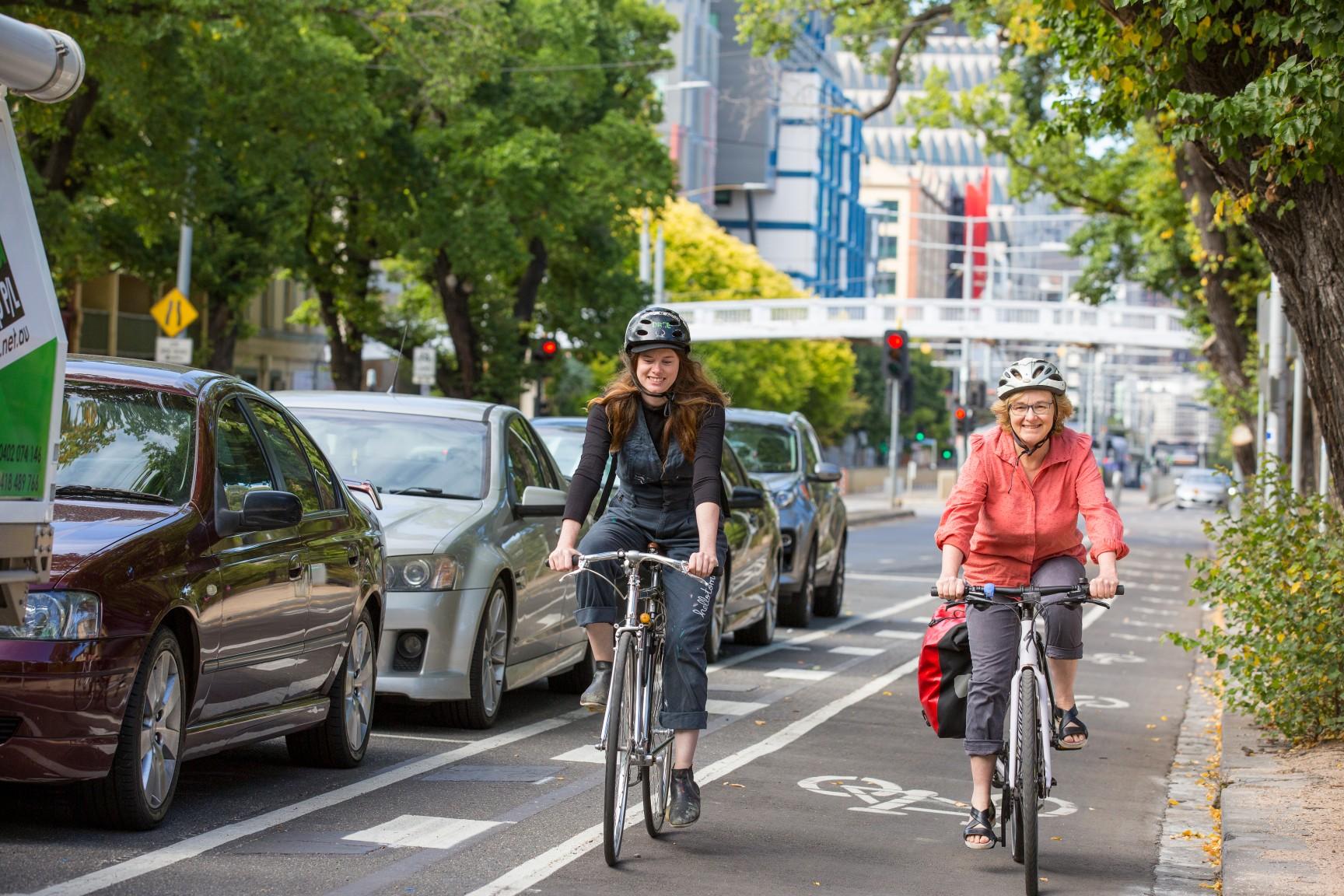
While there’s many factors out of individual business’ control, businesses can influence how customers, employees and goods get to and from their business. Try walking, cycling or public transport, or use lower-emissions options (e.g. hybrid / electric vehicles or smaller vehicles) when motor vehicles are required.
In addition to improving sustainability, businesses could benefit by enabling more transport options for your customers and employees, reducing transport and parking related costs, improving the health and wellbeing of your employees and making your local area more attractive for visitors and potential customers.
You may find the CitySwitch External linkguide helpful for planning and conducting a workplace travel emissions campaign.
Some businesses are now required by law to do greenhouse gas emissions reporting including from transport-related emissions. If this is applicable to your business, see more information here
Top five tips
- Consider how you can support your customers to walk, cycle or use public transport. This could include providing information on public transport or cycling options ahead of driving and parking options, or by offering home delivery so customers do not have to drive to your location.
- Support your employees to walk or cycle to work where possible by providing facilities such as showers and lockers, as well as promoting these modes through staff information or events. Helpful information is available on the Love To Ride External link page.
- Include e-bikes and hybrid or electric vehicles as part of your vehicle fleet. E-bikes are often faster than driving for local trips and cargo e-bikes can allow for deliveries to be made. You can also consider signing up for car share services rather than maintaining a vehicle fleet.
- Improve the sustainability of your own deliveries and those of your suppliers, using e-bikes or electric vehicles, reducing the distance travelled through route optimisation, or selecting suppliers that are local and/or offer sustainable delivery options.
- Let the City of Melbourne know if there are improvements required in your area to support walking and cycling (public transport is run by the state government). This could include requests for more bicycle parking, improvements to street lighting and fixing issues such as cracked footpaths. You can also provide feedback when we are consulting on projects or strategies in your area (see Participate Melbourne External link for more information).
To help you plan for active transport at your business, download the template below.
Recycling symbol of three arrows forming a triangle. Waste is a big part of any business and typically comes from fit-out construction, promotional materials, food and packaging.
Organise your business to minimise the waste you create by thinking about what you buy and where it will go. Work with your suppliers to minimise waste before it gets to your business, as you run your business and after it goes to your customer.
Packaging is a real problem area and ultimately something you pay for – in the products you buy and sell. Reducing packaging is good for the environment and your hip pocket, so consider whether it's actually needed. For example, encouraging customers to bring their own coffee cup, means you won’t need to buy so many coffee cups and you will have less waste!
Did you know?
Australia generated 75.8 million tonnes of solid waste in 2018-19, which was a 10% increase over the previous two years.
Source: Australian Bureau of Statistics External link
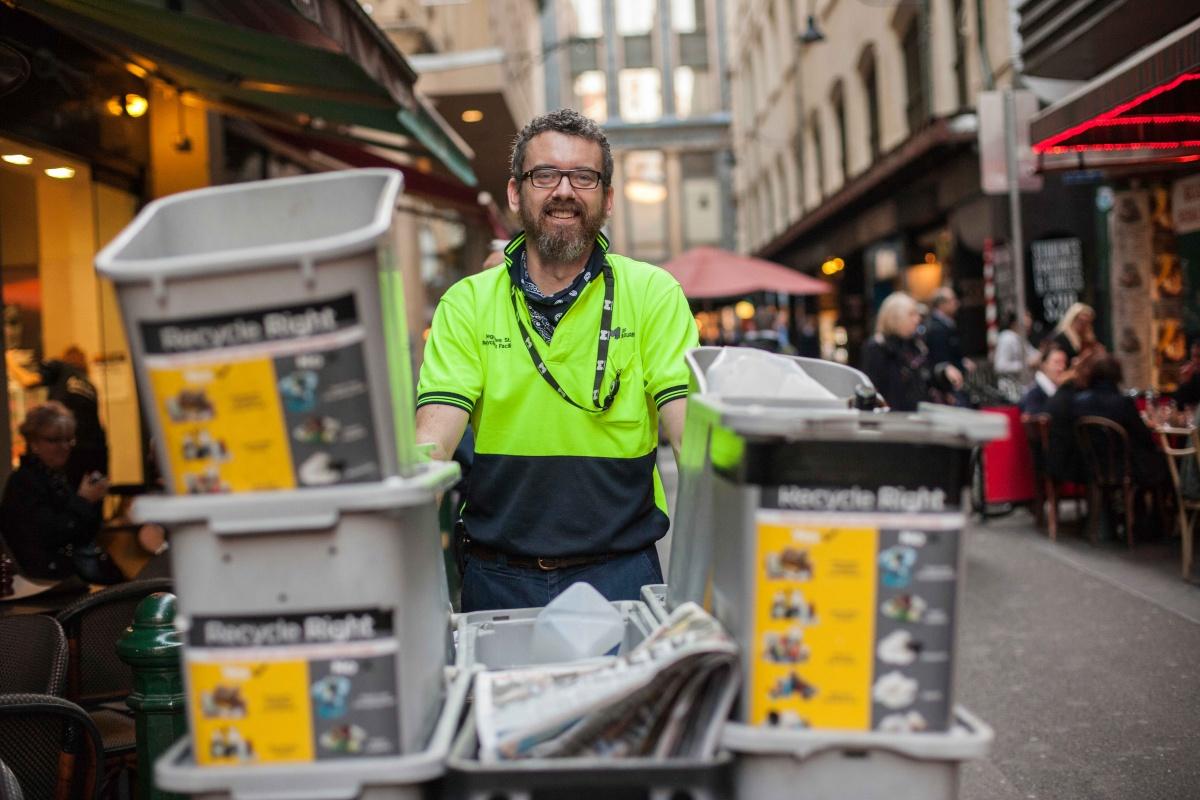
You may need to rely on your staff and customers to put their waste in the right bin, so it helps to educate them with appropriate signage, and importantly – make it easy with good access to bins in the right places.
Top five tips
- Provide recycling bins with clear signage to avoid contamination. Prioritise food waste recycling as this makes up approximately 50% of all waste generated.
- Avoid single use waste as much as possible. If you can’t reuse it, refuse it.
- Straws
- Plastic water bottles
- Plastic bags, cutlery and packaging
- Any merchandise and giveaways that won’t be used ongoing.
- Reward customers and staff for bringing their reusable cups, bags and bottles with discounts or opportunities to enter competitions via social media.
- Add extra cost to single use items to encourage reusable items. For example, make coffees and alcoholic beverages 50 cents extra in takeaway cups.
- Partner with an organisation that collects leftover food, old IT equipment and furniture; and redistributes these items to people in need.
You could also:
- Purchase items that are made out of recycled material, are recyclable, reusable or have a guarantee they are made to last.
- Avoid products with excessive packaging or buy in bulk (for example, swap single-serve packaged products with loose or bulk packaged items).
- Purchase products with an environmental or social certification (such as Forest Stewardship Council (FSC), fair trade or carbon neutral).
- Support sharing goods and services (hiring or leasing), rather than buying.
- Provide staff with reusable bottles (or ask them to bring their own) and provide or sell reusable bottles or cups to your customers.
- Ask caterers to avoid single use waste products or products with excessive packaging (for example, swap single-serve sauce packets for a condiment station).
To help you plan for waste and resource recovery at your business, download the template below.
Water is used by businesses in different ways, from hydration to sanitation. Water is also essential to our liveable city, keeping our trees and open spaces green and growing.
Climate change means in the future we can expect more drought and flooding events.
It is important that everyone, including our businesses, manages this precious resource wisely.
Did you know?
The energy required to produce and transport plastic water bottles could fuel an estimated 1.5 million cars for a year, yet approximately 75% of water bottles are not recycled - they end up in landfills, litter roadsides, and pollute waterways and oceans. They also take 450 years to break down.
Source: WWF, 2023 External link
Top five tips
- Implement water efficiency measures such as:
- Regularly checking taps and pipes for leaks and installing low-flow fixtures
- Choosing water efficient appliances or equipment
- Monitoring water usage
- Use rainwater or grey water where feasible. This could be done by installing and connecting rainwater tanks to flush toilets or to irrigate gardens, planter boxes or trees.
- Prevent plastic bottles entering our waterways by providing drinking fountains or refer people to one of our many free drinking fountains located on our website here.
- Ensure waste products such as oils and chemicals are taken off site and not poured down drains.
- Refer to Melbourne Water's website External link for information on preparing for and staying safe during a flood.
To help you plan for your event's energy efficiency, download the template below.