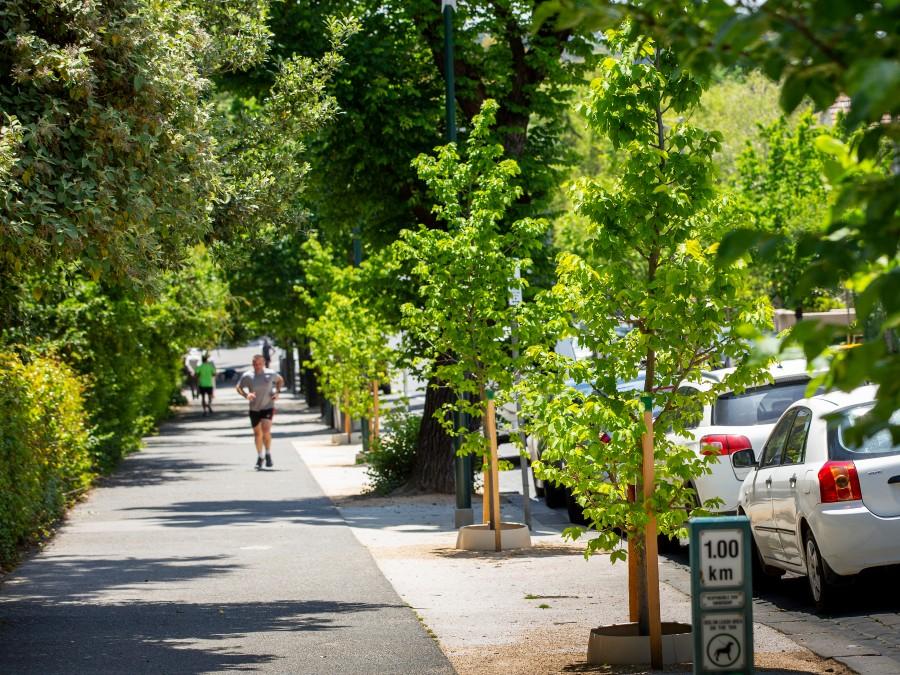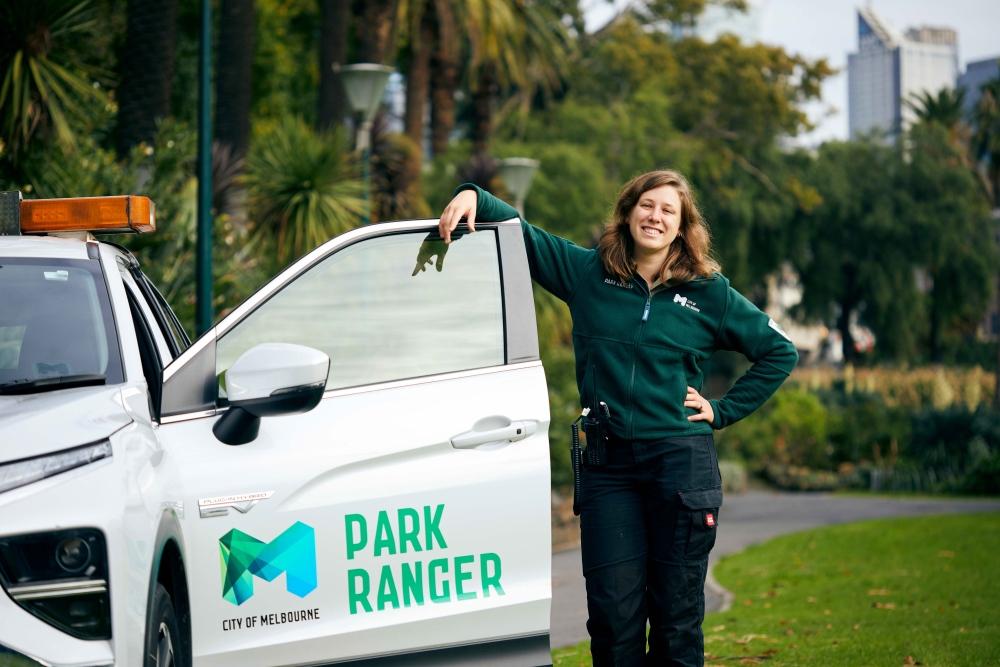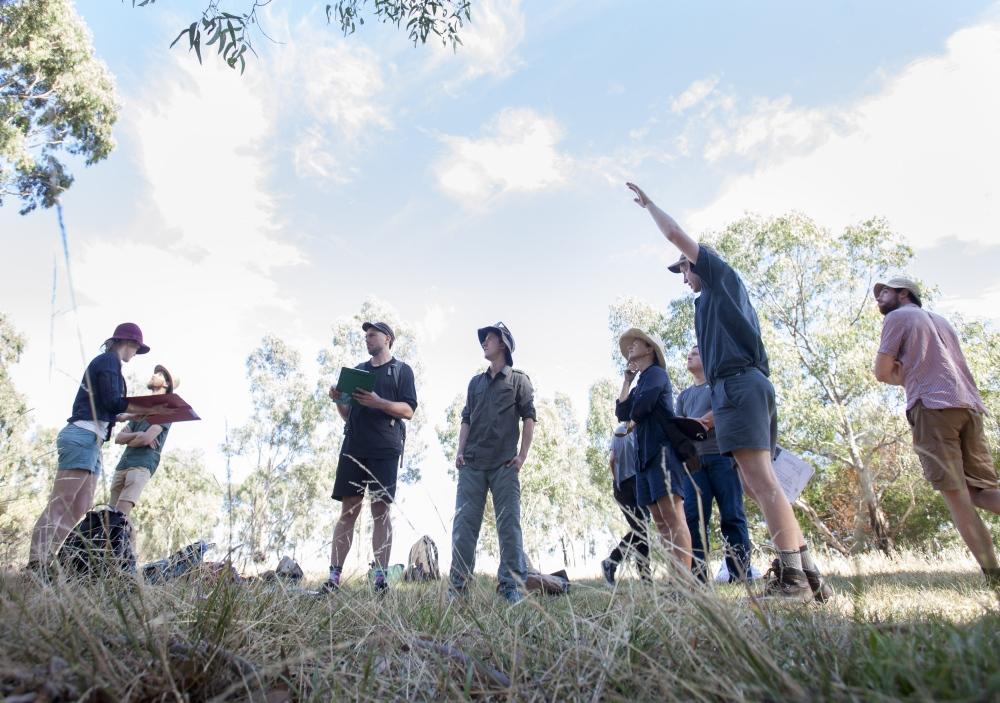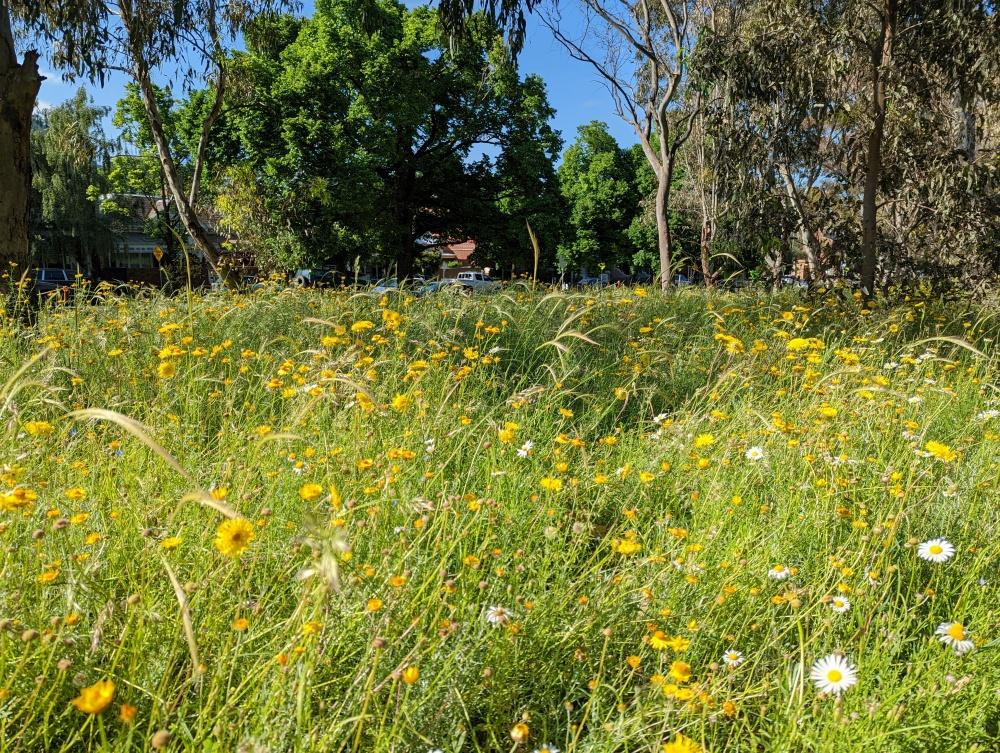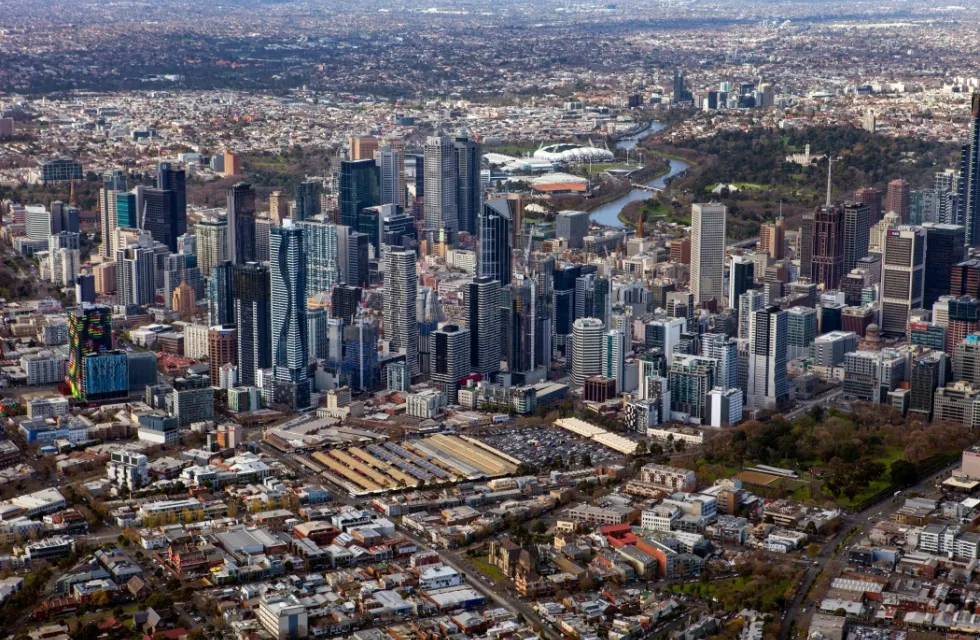
This place called narrm has been managed by its Traditional Owners for millennia – all Melburnians share a responsibility to care for our environment. In the context of climate and biodiversity crises, we must make every effort to be a green, resilient, sustainable and nature-based city.
We’re doing this by:
- investing $44.3 million in 2025–26 in open space, streetscapes and greening
- fast-tracking delivery of open space and greening projects
- enabling community-led greening
- enhancing the Urban Forest Fund to target areas where greening is needed most
- appointing knowledgeable local leaders as ambassadors, who’ll advise on greening projects and champion these efforts
- establishing a floral emblem for Melbourne, voted by Melburnians.
Our green open spaces are vital for both our city’s liveability and our community’s wellbeing. We’re encouraging Melburnians to get more involved with caring for our green spaces as a way to get closer with nature and one another.
As part of our mission to establish Melbourne’s identity as the garden city, we’ve appointed two ambassadors – Paul Bangay OAM, our Garden City Ambassador, and Margaret Parisi, our First Nations Garden City Ambassador. They’ll play a pivotal role in promoting visionary projects, advocating for our green spaces big and small and using their expertise and cultural knowledge to inspire a greener future for Melbourne.
In Melbourne, nature is never far. Let’s grow our garden city together.

Fast-tracking greening projects
To grow our garden city, we’ll focus on projects located on City of Melbourne land that align with community needs and neighbourhood priorities, finding ways to deliver these as soon as possible.
We’ll also look at our existing parks and streetscapes and explore ways these can be upgraded and expanded – whether these are quick wins or complex, longer-term projects, our goal is to make sure our green spaces are working for our environment and community.
Some key projects include:
- The ACCA Forecourt greening project, where we’ll replace granitic sand with new lawn, trees and wildflowers by mid–2026.
- City Road Undercroft Park, which will introduce significant new recreational areas in an unused part of the city from 2026.
- Mackenzie Street greening and new pocket park in 2026, which will replace road space with green space in the CBD and plant new street trees in one of the city’s hottest and greyest areas.
- Chapman Street Reserve expansion in North Melbourne, which aims to transform grey to green and extend Royal Park into the surrounding neighbourhoods. This will create a new green space for the local community, including North Melbourne Primary School.
- Chelmsford Street Park in Kensington, where we’ll transform an industrial warehouse into a lush, green, cool, playful space alongside the Moonee Ponds Creek, starting in 2026.
To facilitate our ambitions, we’ll review our relevant council policies, finding opportunities to make open space project delivery more efficient and updating these policies accordingly.
Supporting community greening initiatives
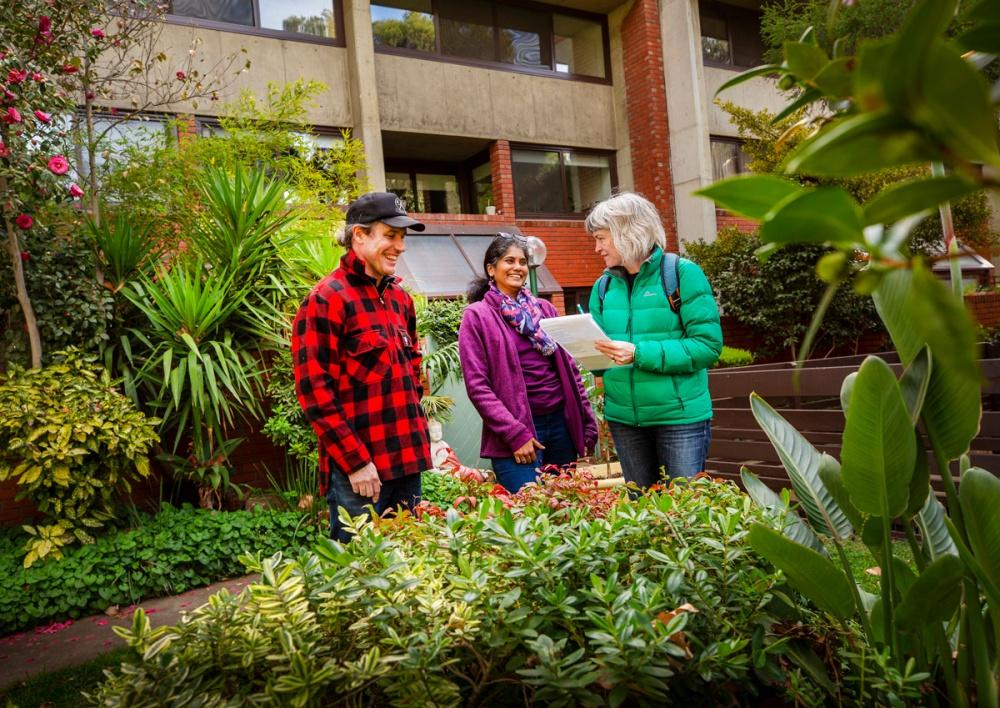
Our community already play a key role in growing our Garden City. Residents across Melbourne are creating biodiverse backyards and balconies through our Gardens for Wildlife program, and we’ve supported many community members and businesses through our Greening Melbourne Permit program. Here’s how we’ll build on this momentum going forward:
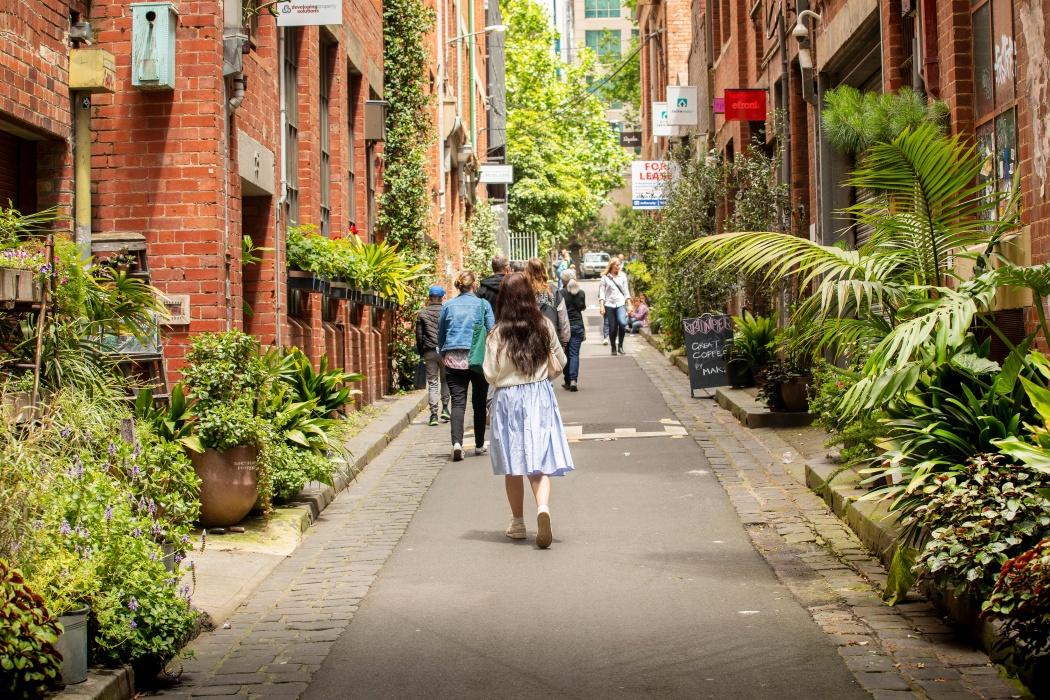
- We’ll support homeowners, building owners, businesses and business precincts to grow plants on footpaths and in laneways.
- We’ll help building owners to create more greenery on our city’s buildings through rooftop or wall gardens.
- We’ll develop clear and simple guidelines for community-led greening on public land, such as nature strips, footpaths, and tree pits.
- We’ll look to amend existing frameworks to better facilitate grassroots greening projects. This includes:
- Applying existing Greening Melbourne permits within specific areas of the central city, to ensure curated greening through floral crates continues to be a signature of this area.
Enhancing the Urban Forest Fund
The Urban Forest Fund provides matched-funding grants on an annual basis to support new greening projects on private property in the city. The funds are sourced from tree removal fees.
In 2026, we’re looking to support more projects than ever before, with up to $1 million of total matched funding on offer for a wide range of greening projects. With funding available for both high-impact and community-focused projects, we're targeting areas in the city where greening is needed most, empowering community and organisations to bring life to urban spaces. Applications are now open.
Melbourne's floral emblem
Choosing a floral emblem is one of the first steps we’re taking to establish Melbourne as the Garden City. It's a symbol of how nature is integrated into our cityscape, which is a key part of Melbourne’s identity and something we can be proud of. It’s also a reminder of the natural beauty inherent to Melbourne and the importance of caring for Country, following in the footsteps of Traditional Owners.
Our expert reference group has selected nine floral finalists as ideal candidates for the emblem:
- Chocolate lily
- Common billy buttons
- Rounded noon-flower
- Purple coral-pea
- Yam daisy, murnong
- Austral storksbill
- Kangaroo grass
- Tall bluebell
- Swamp everlasting
Head to Participate Melbourne External link from 28 November to cast your vote and learn about the unique characteristics of each local flower species to help decide which best represents our city. Voting will close on 15 February 2026.
Melbourne’s floral emblem, voted by you, will be announced in early 2026.