Creating a Circular Economy

The Circular Economy transforms waste into valuable resources by reusing and recycling materials, driving benefits for society, businesses, and the environment. 

Hands holding a plant with an orange flower

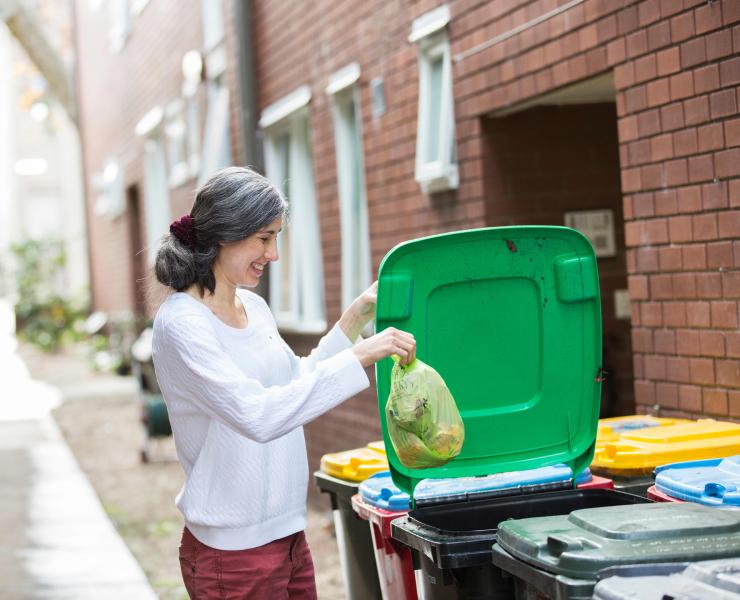
Circular practices like recycling, composting, maintenance and refurbishment keep products and resources ‘in circulation’. Rather than ending up in landfills, materials are used for as long as possible, and products are designed to be re-used or recycled.

For example, a disposable coffee cup is made for one-time use in a linear economy. However, when you switch from a disposable cup to a reusable coffee cup, you're embracing a circular economy, where we create less waste by designing products for multiple uses.

Our work revolves around four key circular principles:

  • Design Out: preventing the generation of waste.  
  • Slow the Loop: extending the lifespan of products.  
  • Close the Loop: recapturing valuable resources for re-use.  
  • Regenerating Nature: move from extraction to regeneration and leave room for nature to thrive.
our acknowledgement

  • Torres Strait Islander Flag
  • Aboriginal People Flag

The City of Melbourne respectfully acknowledges the Traditional Owners of the land we govern, the Wurundjeri Woi-wurrung and Bunurong / Boon Wurrung peoples of the Kulin and pays respect to their Elders past and present. 


We acknowledge and honour the unbroken spiritual, cultural and political connection they have maintained to this unique place for more than 2000 generations.

We accept the invitation in the Uluru Statement from the Heart and are committed to walking together to build a better future.