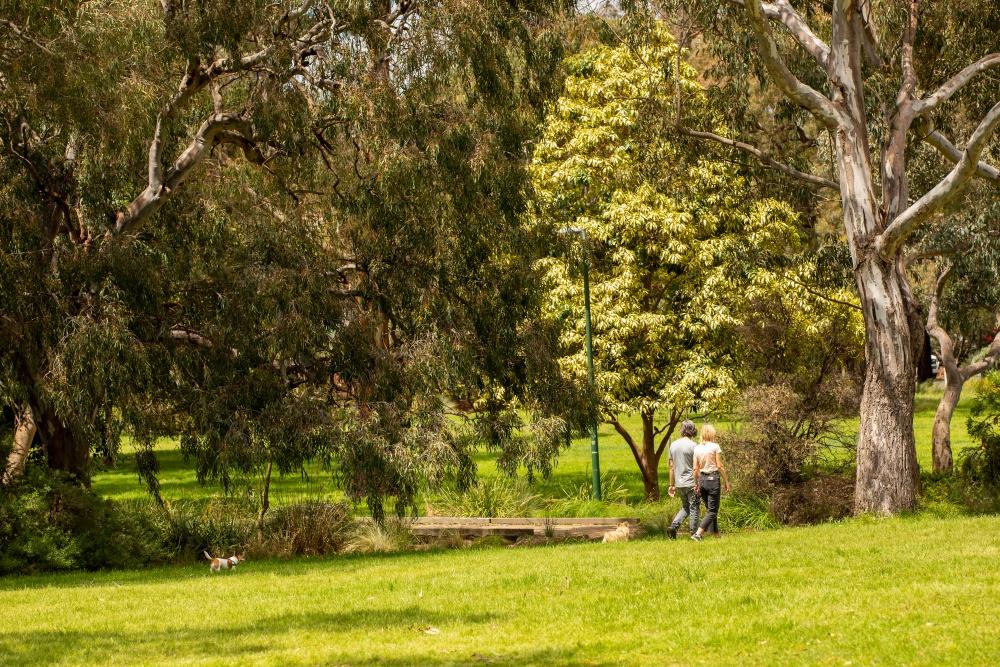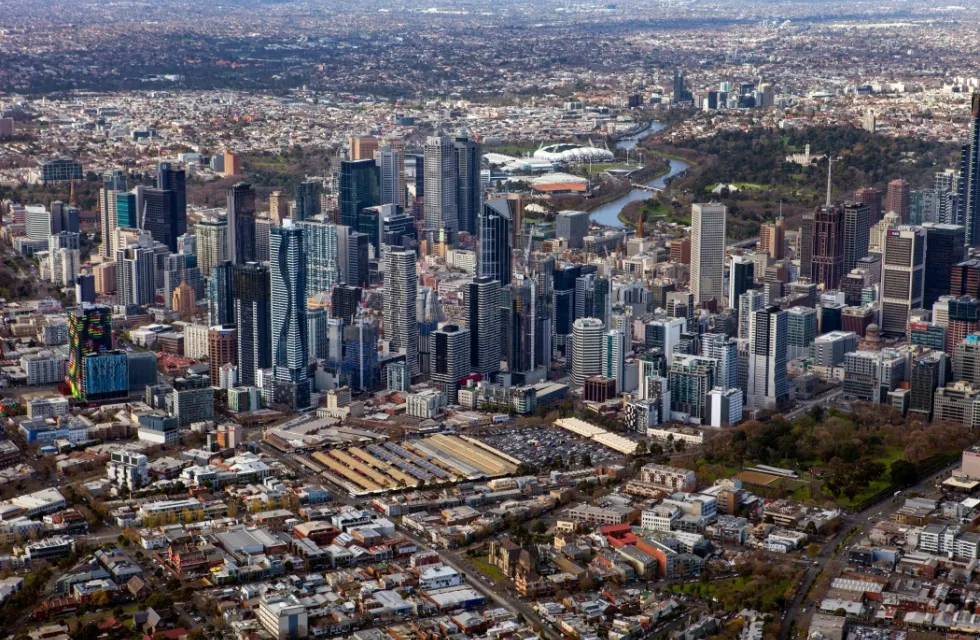
In 2012 we prepared our first Open Space Strategy to meet the needs of our growing and changing residential and worker populations, and to respond to issues such as climate change. The Open Space Strategy provides the overarching framework and strategic direction for open space planning in the City of Melbourne.
A key objective of the strategy is to plan Melbourne’s open space network to be within 300 metres or a 10 minute walk for everyone who lives and works in the municipality, particularly in areas of forecast population growth.
The Strategy provides recommendations for maintaining Melbourne’s liveability by adding to the open space in the municipality and improving existing open space.
Key issues
The key issues addressed in the Strategy include:
- significant population growth
- ensuring open spaces can provide for and adapt to differing needs and uses
- the physical and mental health and wellbeing of the population, and the value of access to nature
- climate change and increasing urban temperatures, and recognising the critical role the open space network plays in mitigating the impacts of these
- protecting and enhancing environmental values
- the need for more purposeful Traditional Owner involvement in future planning, management, and development of open space
- the need for an increased focus on acquiring new public open space, including the larger parcels of land for new Municipal open space.
The Strategy is supported by the Open Space Strategy Technical Report (PDF 23.5 MB), which contains the technical research, definitions, analysis and recommendations.
The Open Space Strategy provides a strategic basis for an open space contributions framework that delivers additional high quality open space for the forecast future populations.
Open Space Contributions Framework
The Open Space Contributions Framework is a component of the Open Space Strategy. It provides an equitable and consistent basis for financial and land contributions from developers and government towards providing additional open space and making open space improvements over the life of the Open Space Strategy.
The Framework supported contribution rates established in the Melbourne Planning Scheme.
Open Space Strategy and Open Space Contributions Framework review
To support the delivery of Council’s Major Initiative 16: Increase public open space, a ‘light touch’ review of the Open Space Strategy and review of the Open Space Contributions Framework was completed in 2024.
The purpose of the Open Space Strategy Light Touch Review was to determine actions completed, changes in population growth and community needs, and new open space priorities after 10 years of strategy implementation. The purpose of the Open Space Contributions Framework review was to determine the effectiveness of the open space contribution rates specified in the Melbourne Planning Scheme and whether a rate increase would be beneficial. The review found that while a rate increase was not recommended, other funding mechanisms such as Developer Contribution Plans should be considered to fund new open space and facilities for population increases associated with new developments.
Following adoption of the Open Space Strategy Light Touch Review by the Future Melbourne Committee in June 2024, the review now forms addendums to the Planning for Future Growth and Technical Report documents, which will be updated to reflect the actions of the review in late 2024. You can also view the Open Space Strategy Light Touch Review below.