

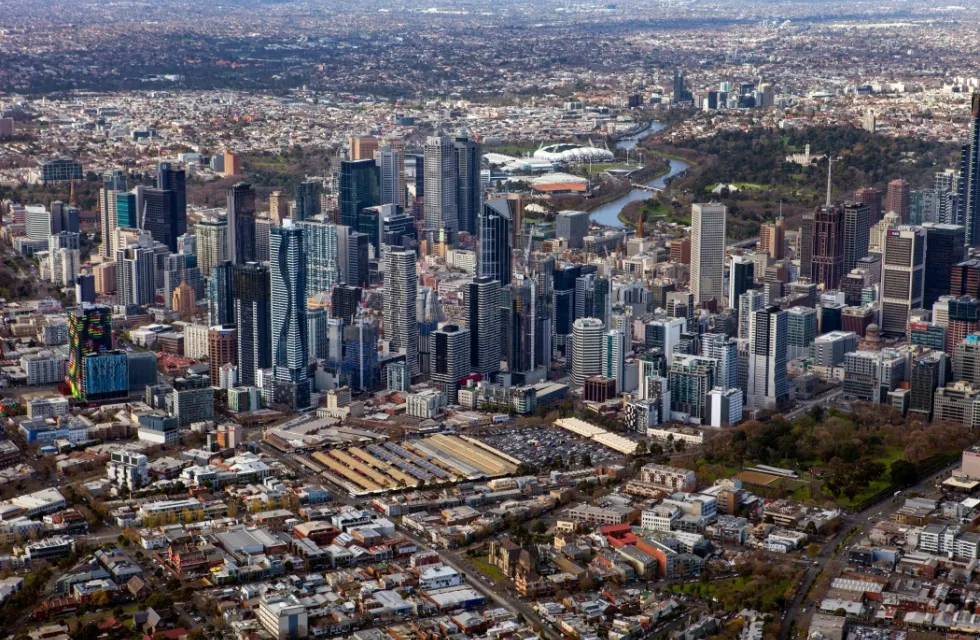
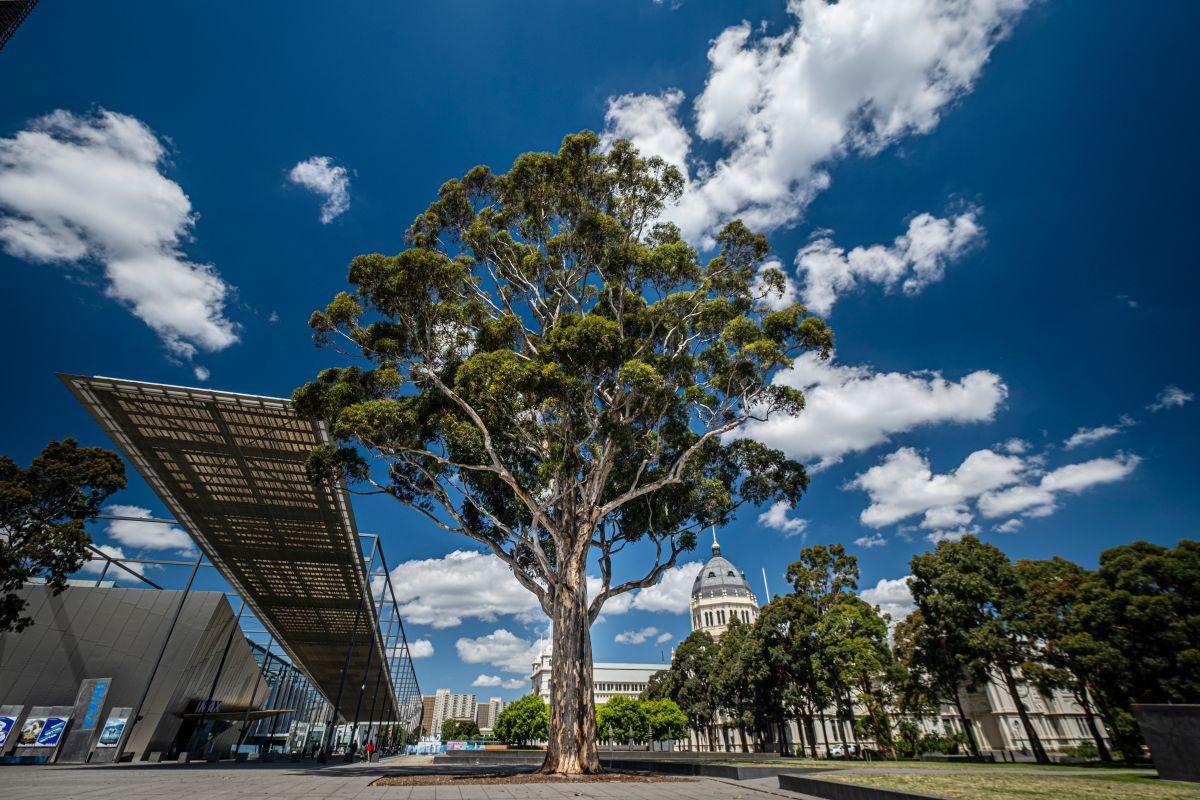
Our urban forest includes approximately 20,000 trees in the private realm. These trees help keep our landscape resilient, our city liveable and sustainable and maintain Melbourne’s character and heritage.
In 2021, City of Melbourne adopted the Exceptional Tree Register to offer some protection to trees in the private realm, as part of a holistic vision for the future urban forest. Because council does not have authority over trees on private property, the register helps provide some level of protection for these trees from potentially harmful activities.
The register aims to:
- recognise and celebrate trees in the City of Melbourne by promoting and raising awareness of existing exceptional trees.
- identify exceptional trees that should be protected through the Melbourne Planning Scheme so that planning permission is required to undertake any action that may harm the tree.
- encourage shared responsibilities for the retention and care of trees that span property boundaries.
- promote tree planting on private properties – trees that may become the exceptional trees of the future and increase canopy cover in our city.
The register includes a total of 268 trees from across the municipality.
Nominating a tree for the Exceptional Tree Register
The Exceptional Tree Register includes trees that have been nominated by the community, organisations, property managers, staff and tree owners. Anyone can nominate a tree to be included on the register.
Nominations are accepted at any time but will not be reviewed until there is a planned update of the register. This will occur approximately every five years.
Information on this page will be updated when the next planned update of the register is underway.
In the meantime, you can email melbourneurbanforest@melbourne.vic.gov.au for more information.
Exceptional tree maintenance rebate
In 2026, we’re piloting a new rebate program through our Urban Forest Fund to support residential property owners maintain exceptional trees on their property.
Residential property owners with trees listed on Exceptional Tree Register are eligible to apply for rebates of up to $1,000 to maintain and improve the health of their tree. Applications are open from 19 January 2026 and will be accepted anytime until 1 December 2026.
Apply for an exceptional tree maintenance rebate External link
Refer to our application guidelines for more information. These provide important information on eligibility, assessment criteria and process, required documentation, and frequently asked questions. Please read through the guidelines before applying for a rebate.
Application guidelines – Exceptional Tree Maintenance Rebate (DOCX 53.5KB)
Eligibility
To be eligible, you must:
- only claim for maintenance works relating to trees that are listed on the Exceptional Tree Register and located on residential property within the City of Melbourne municipality.
- be the property owner of the eligible exceptional tree or have written consent from the property owner.
- demonstrate that the tree maintenance works are considered beneficial to the long-term health of the exceptional tree.
- make sure the tree maintenance works are completed by a qualified Arborist or tree maintenance specialist.
- make sure the tree maintenance works have been completed and paid. Rebates can be backdated for eligible tree maintenance works completed up to 12 months ago (from January 2025).
- submit evidence of the works being completed. This must include at least one photograph of the tree.
- submit a copy of the paid tax invoice for the works completed.
- have not previously claimed the full rebate of $1,000 per eligible tree. If multiple eligible trees exist on a residential property, rebates can be claimed for two of these trees (equivalent to $2,000).
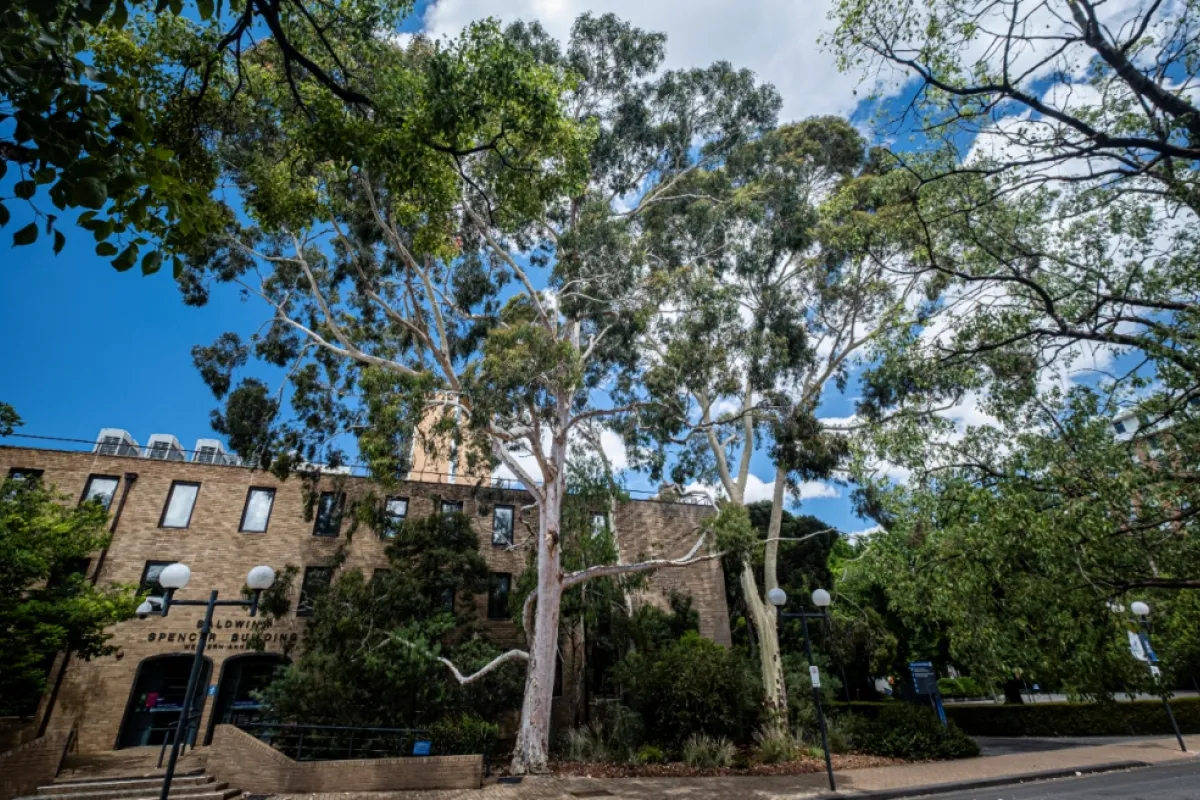
Pair of Lemon-scented Gums (Corymbia citriodora) – Tree No. 140 and 141
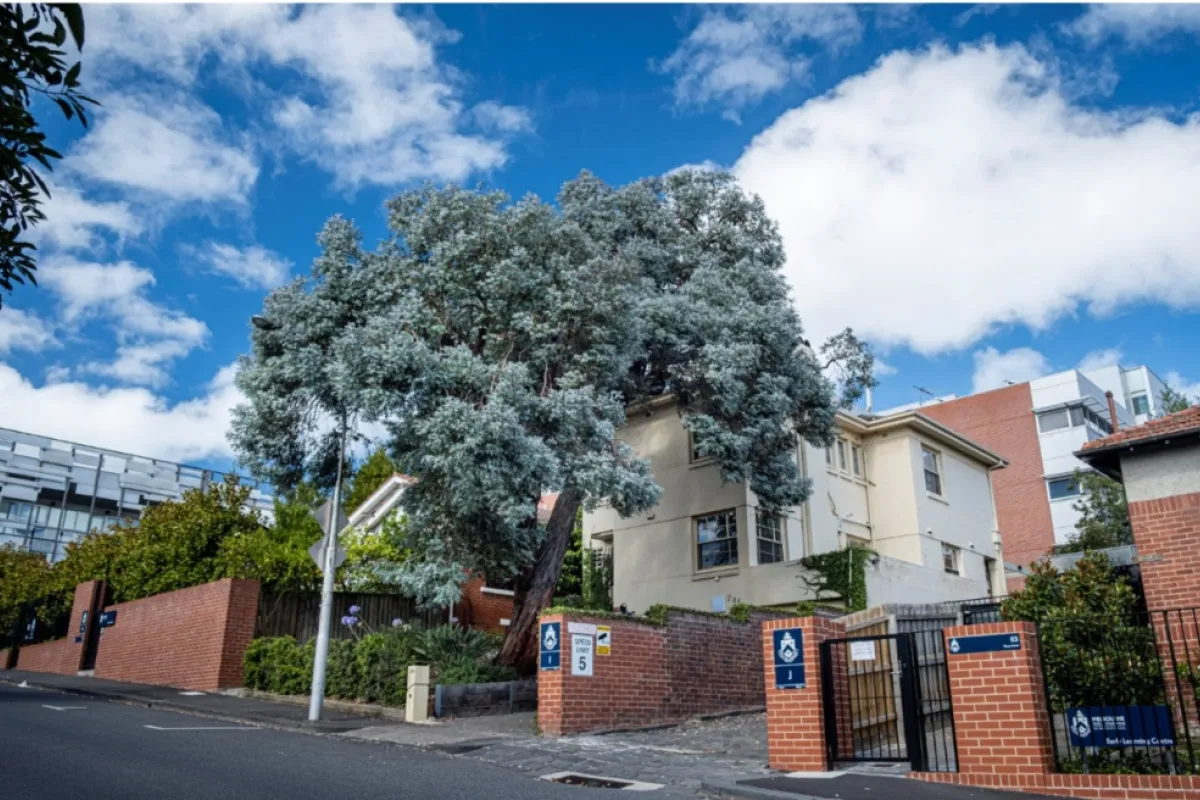
Mealy Stringybark/Argyle Apple (Eucalyptus cinerea) – Tree No. 147
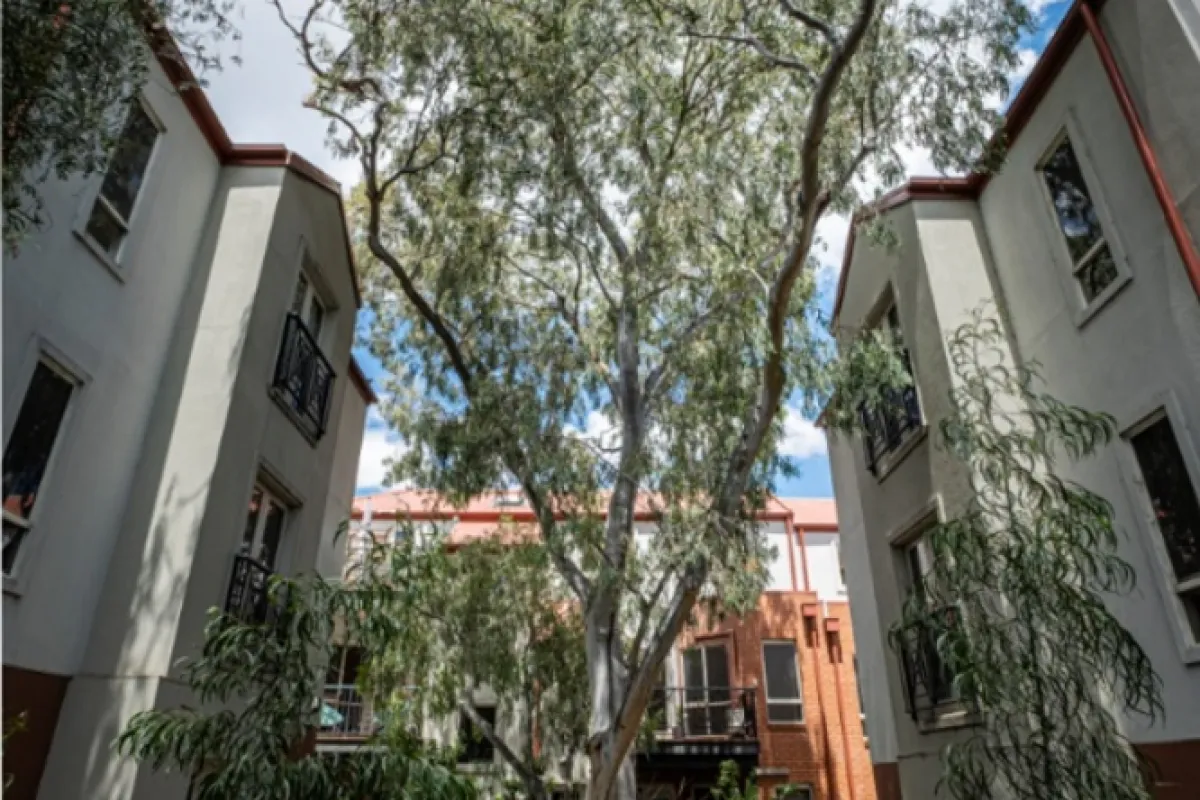
River Red Gum (Eucalyptus camaldulensis) – Tree No. 149
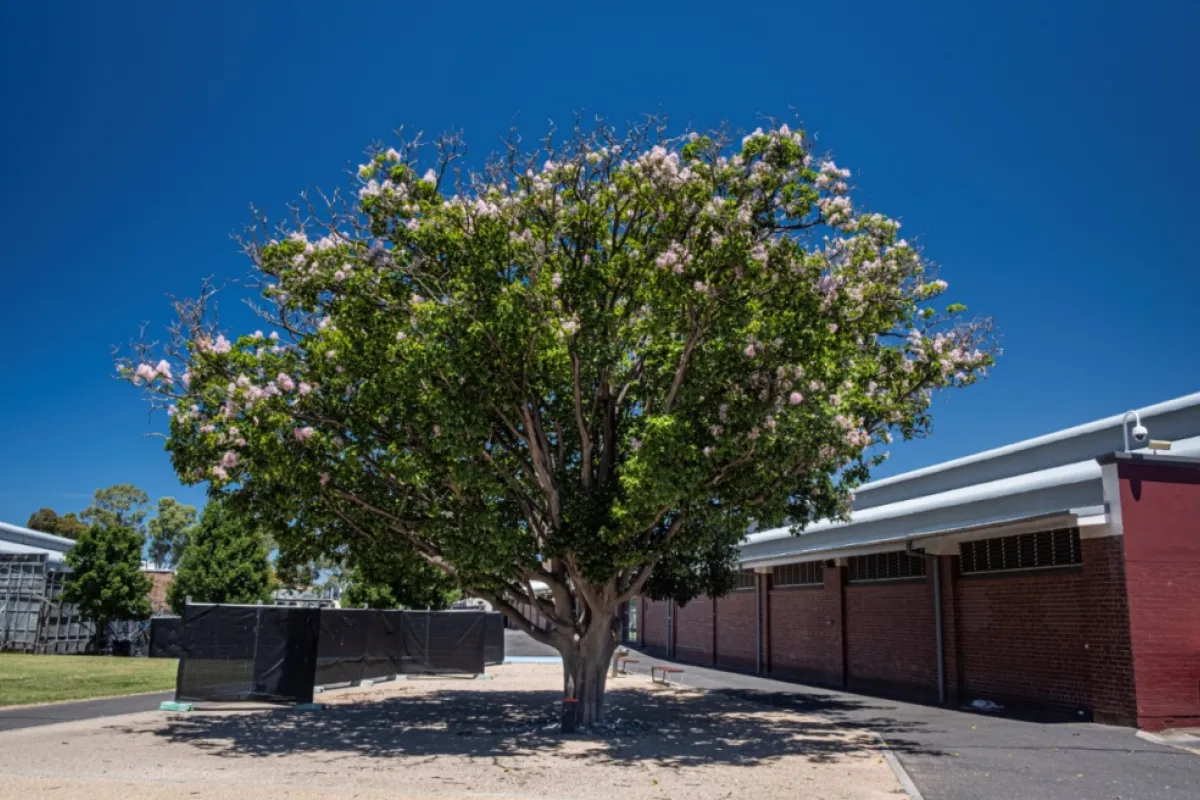
Cape Chestnut (Calodendrum capense) – Tree No. 150
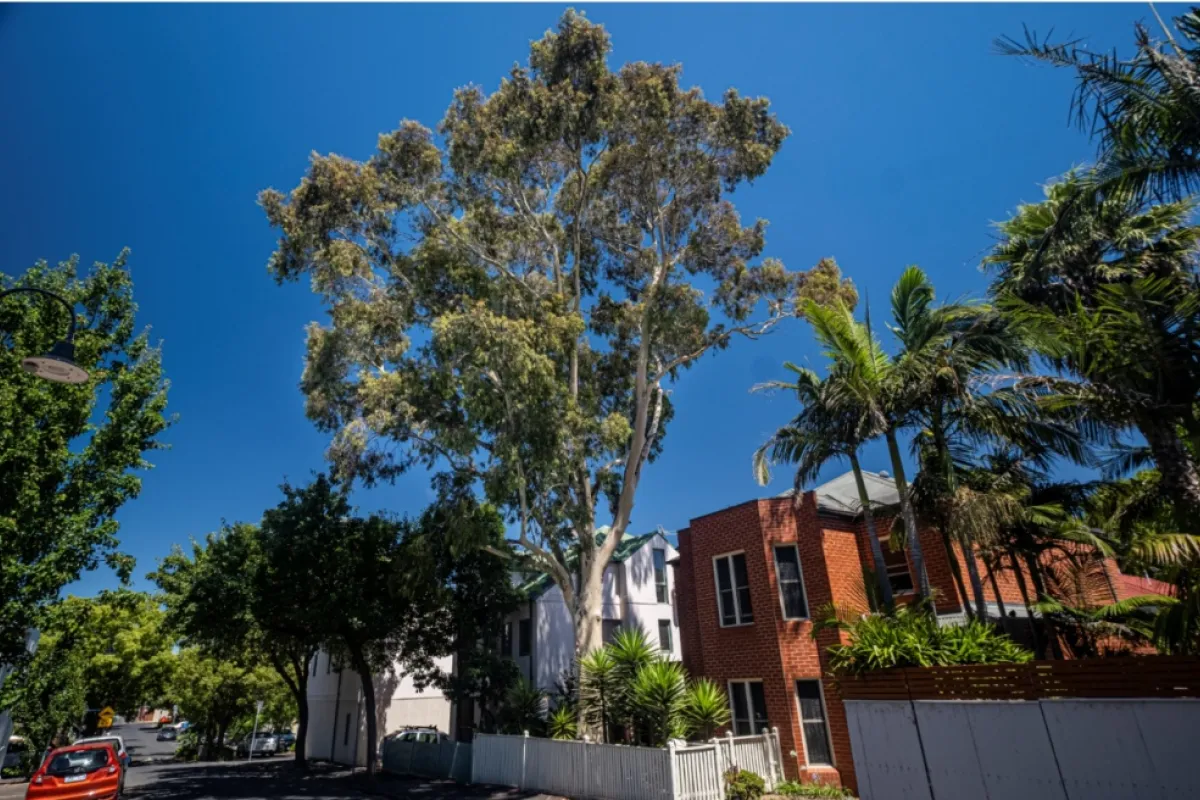
Spotted Gum (Spotted Gum) – Tree No. 151
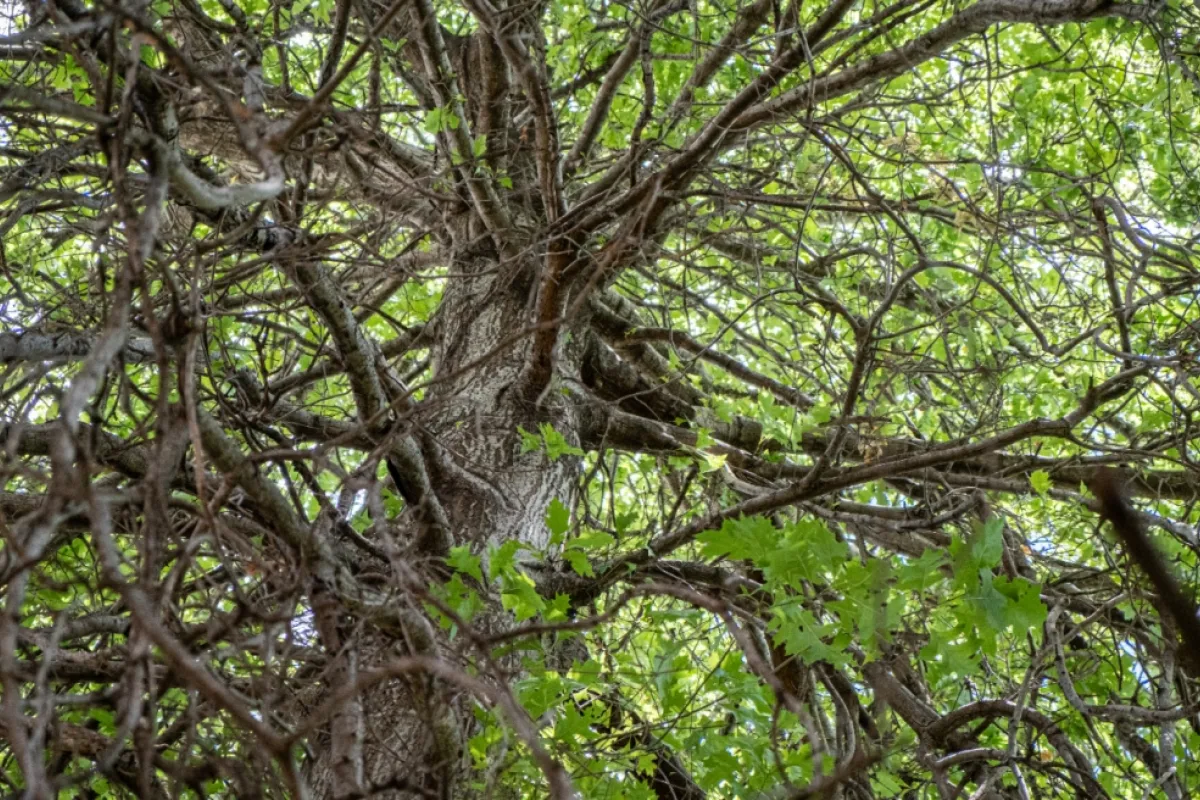
Scarlet Oak (Quercus coccinea) – Tree No. 154
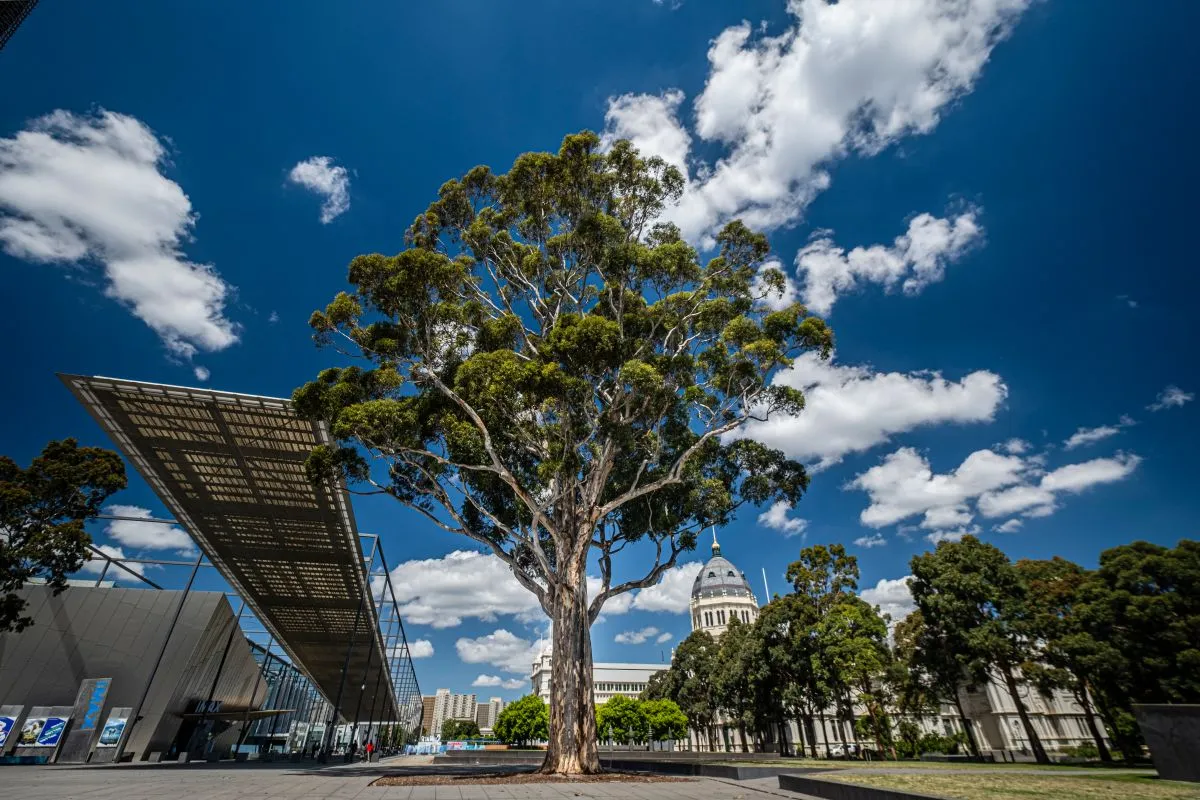
Sugar Gum (Eucalyptus cladocalyx) – Tree No. 163
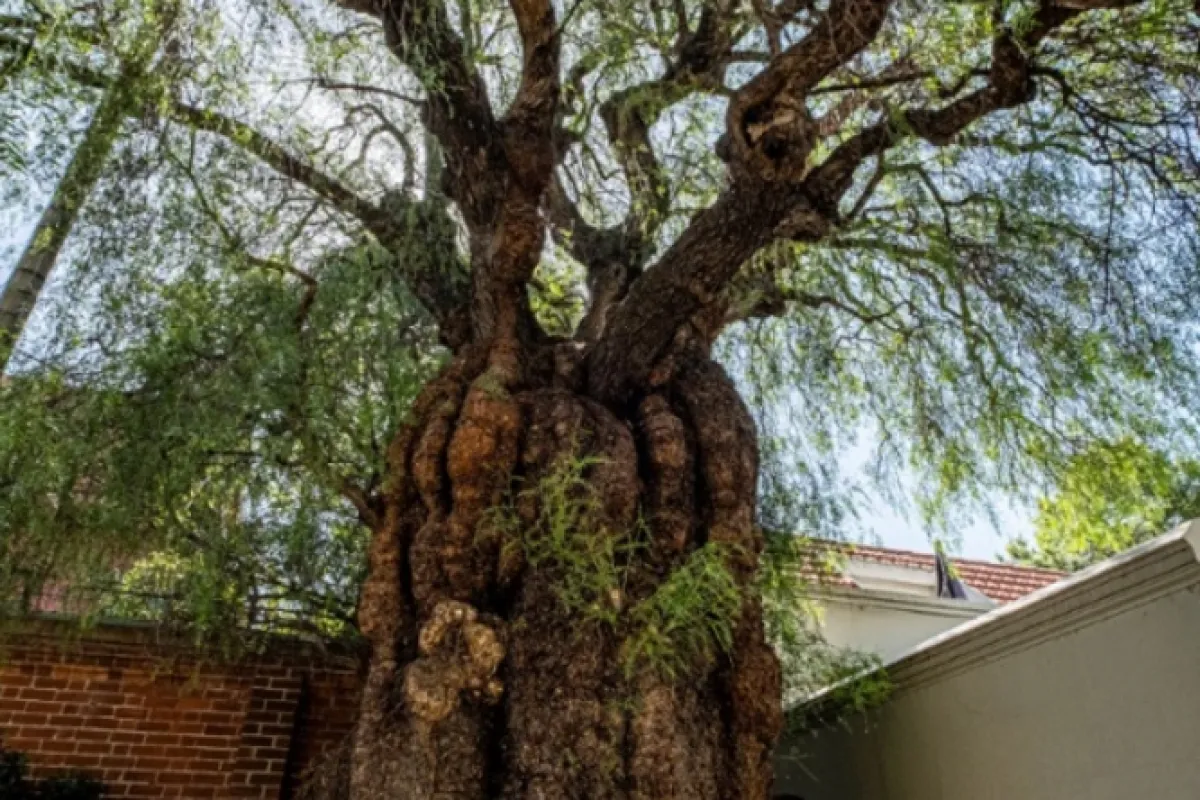
Pepper Tree (Schinus molle) – Tree No. 168
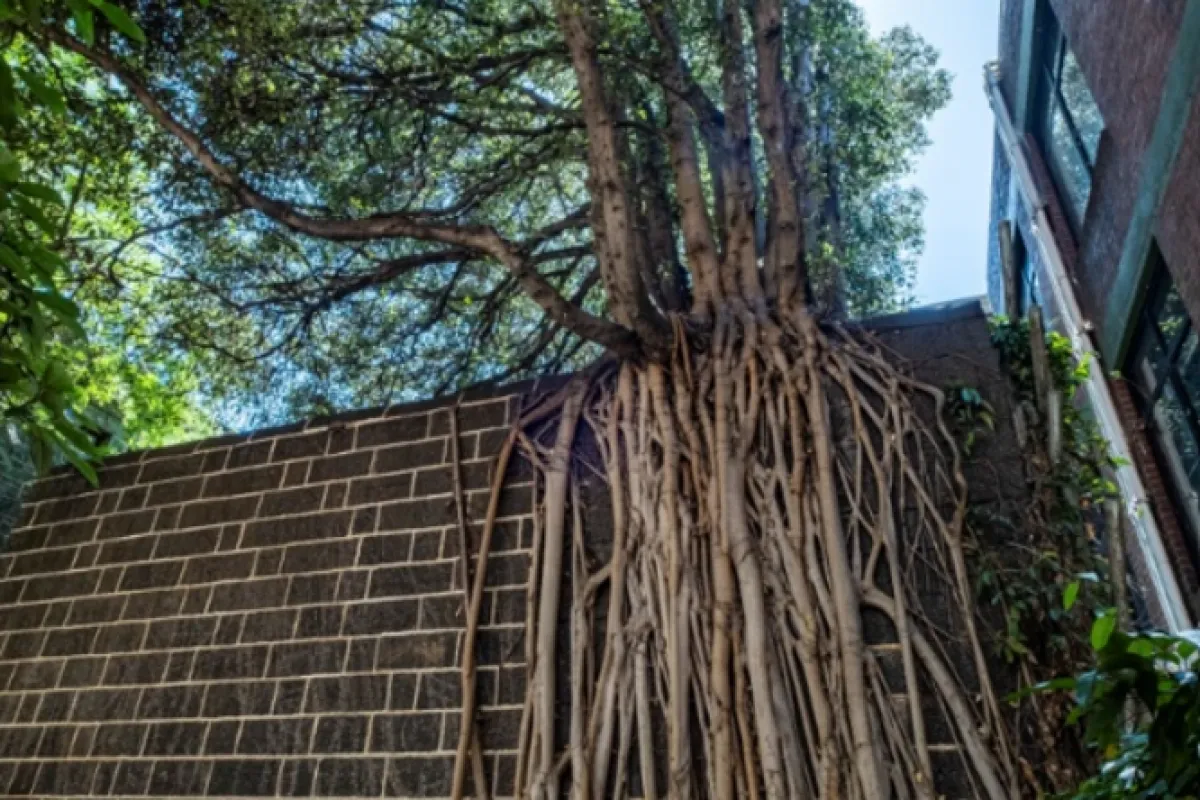
Port Jackson Fig (Ficus rubiginosa) – Tree No. 170
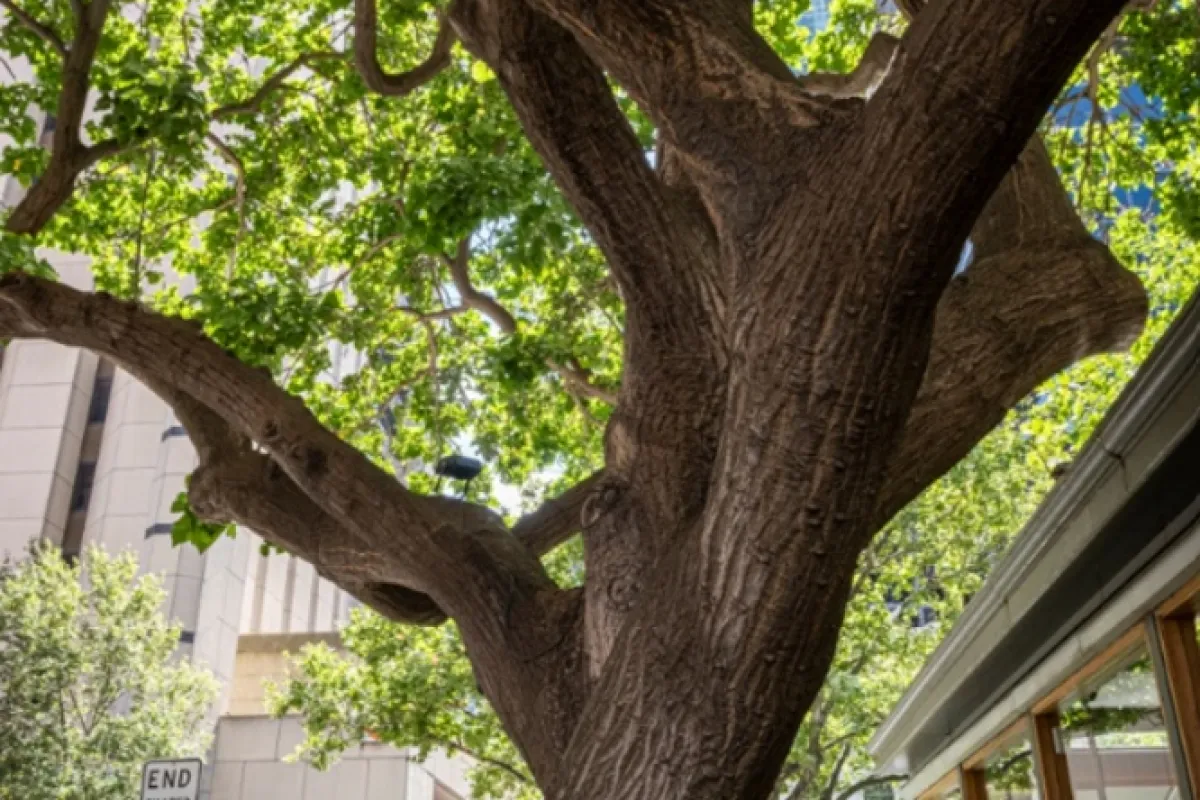
Common Coral Tree (Erythrina x sykesii) – Tree No. 171
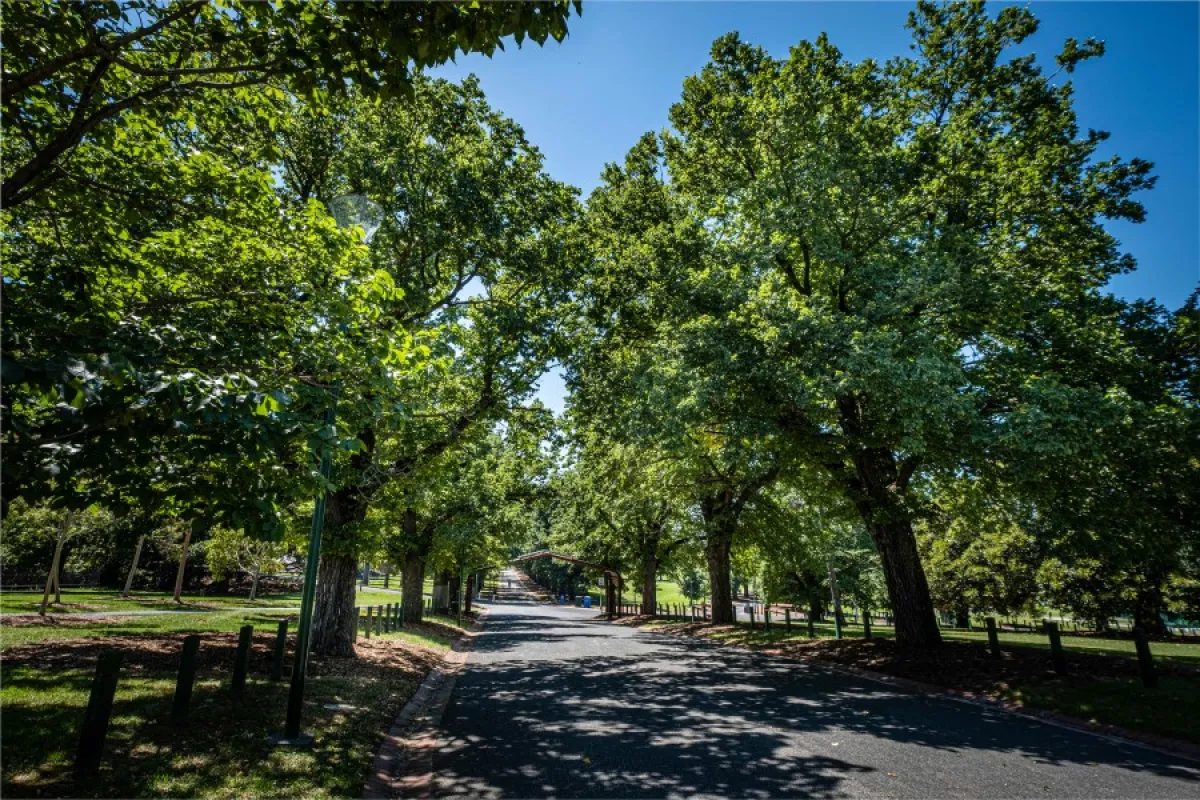
Avenue of 74 English Elms (Ulmus procera) – Tree No. 175/1 to 175/74
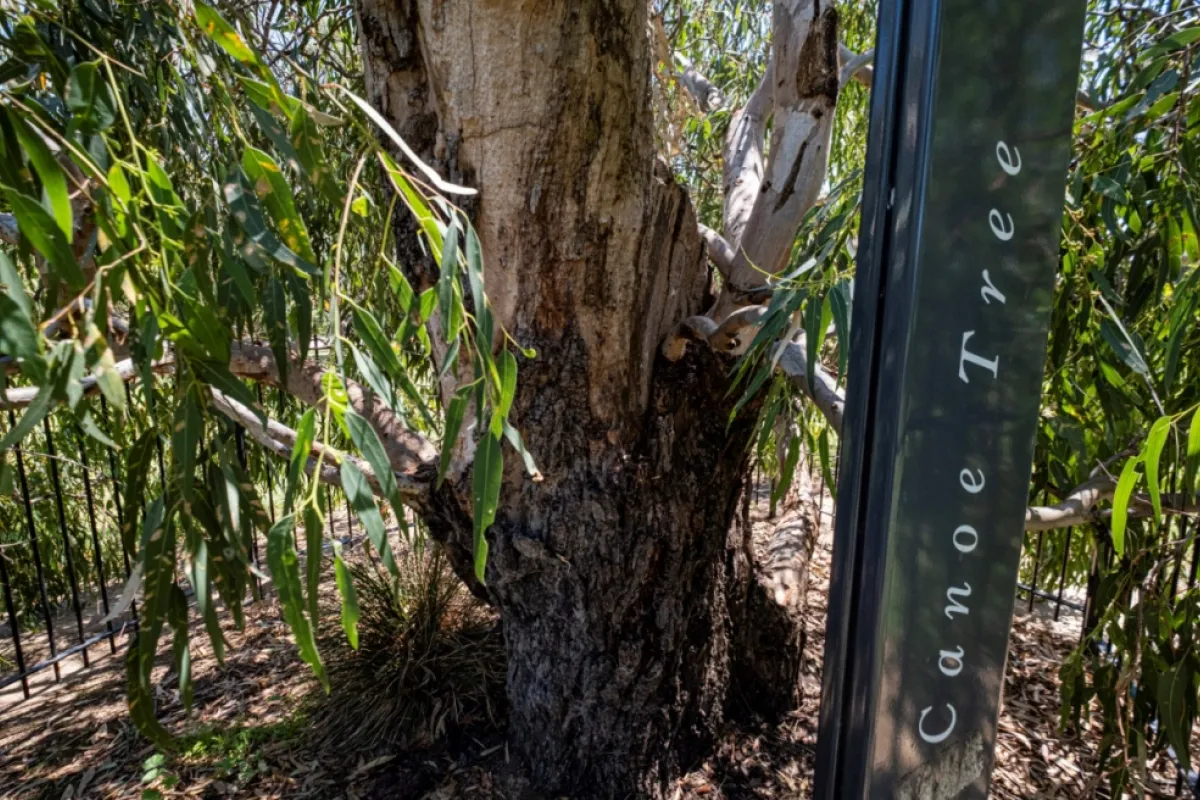
River Red Gum (Eucalyptus camaldulensis) – Tree No. 176
Pair of Lemon-scented Gums (Corymbia citriodora) – Tree No. 140 and 141
Mealy Stringybark/Argyle Apple (Eucalyptus cinerea) – Tree No. 147
River Red Gum (Eucalyptus camaldulensis) – Tree No. 149
Cape Chestnut (Calodendrum capense) – Tree No. 150
Spotted Gum (Spotted Gum) – Tree No. 151
Scarlet Oak (Quercus coccinea) – Tree No. 154
Sugar Gum (Eucalyptus cladocalyx) – Tree No. 163
Pepper Tree (Schinus molle) – Tree No. 168
Port Jackson Fig (Ficus rubiginosa) – Tree No. 170
Common Coral Tree (Erythrina x sykesii) – Tree No. 171
Avenue of 74 English Elms (Ulmus procera) – Tree No. 175/1 to 175/74
River Red Gum (Eucalyptus camaldulensis) – Tree No. 176
Frequently asked questions
Owners of properties where exceptional trees are located play an important role caring for a valuable community asset. Not only do urban trees provide substantial environmental and community benefits, they can also help to reduce energy costs, increase property values, and provide aesthetic and amenity value.
Once formally listed on the Exceptional Trees Register, the additional trees will be included under an Environmental Significance Overlay in the Melbourne Planning Scheme. This means that any proposed buildings and works within the Tree Protection Zone, or significant pruning, lopping or removal of exceptional trees will require a planning permit. This doesn't mean that absolutely no works are allowed on or near exceptional trees, but rather that the impact that the proposed development will have on the health and values of exceptional trees must be considered in the planning permit application process.
All trees that are listed on the Exceptional Tree Register are protected under Schedule 2 to the Environmental Significance Overlay (ESO2). Refer to the Schedule External link for the list of protected exceptional trees and associated permit requirements.
The tree protection zone (TPZ) is a standard measurement used in arboriculture to determine the area where a tree’s root system could be detrimentally damaged by development.
Each exceptional tree has its own TPZ and includes the area above, below and around the tree. It is calculated in accordance with the current Australian Standard AS 4970-2009 Protection of Trees on Development Sites, using a trunk diameter measurement and varies depending on the size of the tree.
Any tree growing on non-City of Melbourne owned or managed land that is under the control of the Melbourne Planning Scheme may be considered for the Exceptional Tree Register, with the exclusion of trees located in the Royal Botanic Gardens Victoria, Melbourne Gardens. Land owned or managed by the City of Melbourne is subject to Council’s Tree Policy and are excluded from the register.
Nominations are accepted any time. However, they will only be reviewed and processed for future versions of the register and subsequent planning scheme amendments approximately every five years. Additionally, removal of trees from the register may occur if required following arboricultural assessment and consideration.
Since City of Melbourne adopted the register in 2012, there have been two rounds of nominations of exceptional trees. The most recent round (Round Two, 2019) included the addition of 119 new exceptional trees to the register.

