


City of Melbourne is committed to keeping our furry friends safe and happy while also protecting our environment and community – that’s why we’re introducing new measures to promote responsible cat ownership.
At the Future Melbourne committee meeting on 1 April 2025, Council resolved to make municipal orders requiring all cats to be:
- contained to their property between the hours of 6pm and 8am
- desexed
- prohibited from waterways, riverine environments and 14 major parks and gardens, unless under effective control by means of a purpose-built carrier, or harness and leash, and in the presence of their owner at all times. Maps of these parks and gardens can be found below.
These orders will come into effect on 1 October 2025. More information can be found on Participate Melbourne External link or Desexing your cat or dog.
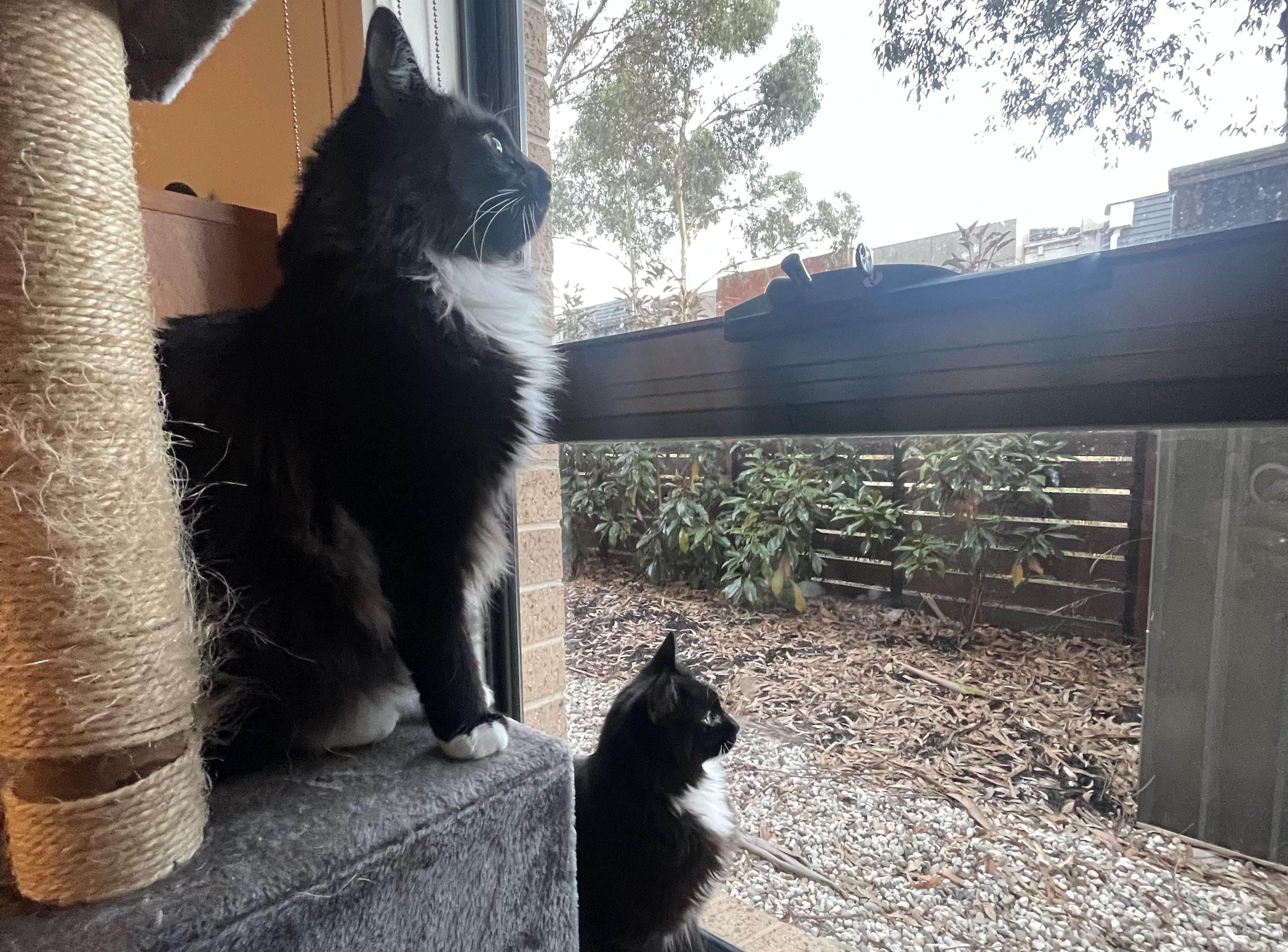
In the meantime, we encourage cat owners to keep their cats contained; this means preventing them from roaming, either by keeping them within the boundaries of your home or restricting their access when outside by using a leash, carrier or catio.
Why contain my cat?
By keeping your cat safely contained, you are reducing their risk of:
- becoming sick or injured by cars, people or other animals
- straying and being impounded or lost forever
- interacting with undesexed cats, helping to curb the cat overpopulation problem that is wreaking havoc on our environment and shelters.
Each year we collect approximately 200 roaming cats and sadly attend to a number of cats that are killed on roadways.
Residents can also report nuisance cats and cats roaming on their property, in which case your cat could be seized by our animal management officers.
In addition to improving the safety and wellbeing of your cat, keeping your cat contained will also help our local flora and fauna thrive.
Roaming cats are a major threat to wildlife in Australia. According to the Biodiversity Council External link, nearly 80 per cent of all roaming cats hunt, and these cats are killing more than three animals every week. On average, each roaming and hunting pet cat kills 110 native animals per year. Doesn’t sound like your cat? They may be fooling you – on average, cats only bring home about 1 out of 6 of their kills.
On a global scale, cats are currently direct contributors to the potential extinction of at least 360 threatened reptile, bird and mammal species
How can I stop my cat from roaming?
Cats don’t need to roam to be content – your cat can live a very fulfilling life at home, even if they’ve previously been allowed to roam. There are also many ways you can let your cat explore the outdoors in a safer, more controlled manner. Some ideas include:
- making your apartment, unit or house cat-friendly, whether you’re a renter or homeowner
- building a cat enclosure, cat run or installing cat-proof fencing in your backyard or on your balcony
- carrier and leash training for your cats
- creating a stimulating environment for your cat through playtime and enrichment.
To help cat owners adapt to our new rules for cat containment, we’ve compiled a collection of resources to help keep your cat content while contained.
Resources
Report an issue
We can investigate ongoing issues with roaming and stray animals – including unowned or feral animals in public and cats trespassing on your property.
If you have observed a cat outside of the owner's premises during curfew (between 6pm and 8am), you can submit an online report for us to investigate. Council officers will make enquiries to identify the owner, educate them about the benefits of cat containment and ensure that the curfew is being adhered to. We have cat traps for hire if the issue is reoccurring.
If a cat is caught in a trap, our officers will either reunite it with its owners or take it to The Lost Dogs Home in North Melbourne. Owners will be liable for any fees incurred as a result of housing their cat and may also face other enforcement action, including fines. If the cat isn’t owned, Council will seek to facilitate the rehabilitation and rehoming of the cat.
Report a roaming cat or stray animal
If you have concerns for the animal's welfare, or if it is causing any danger to the public, please call us immediately on 03 9658 9658.
More information

