


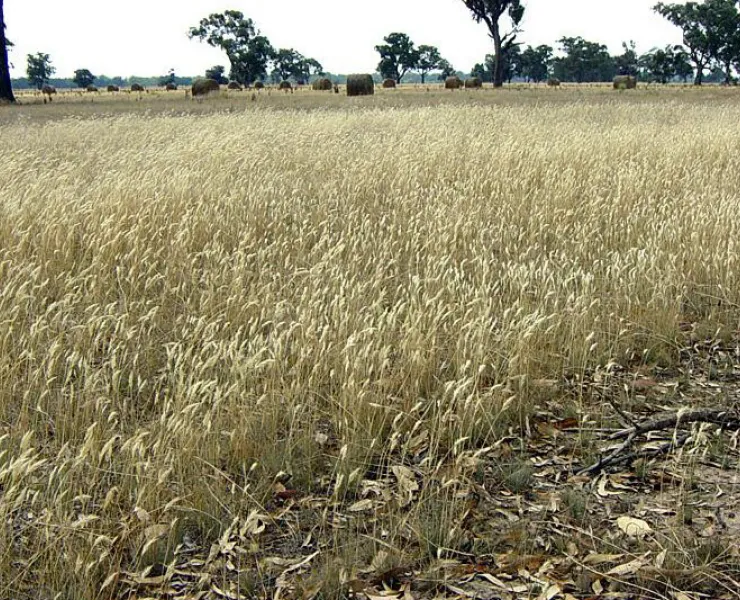
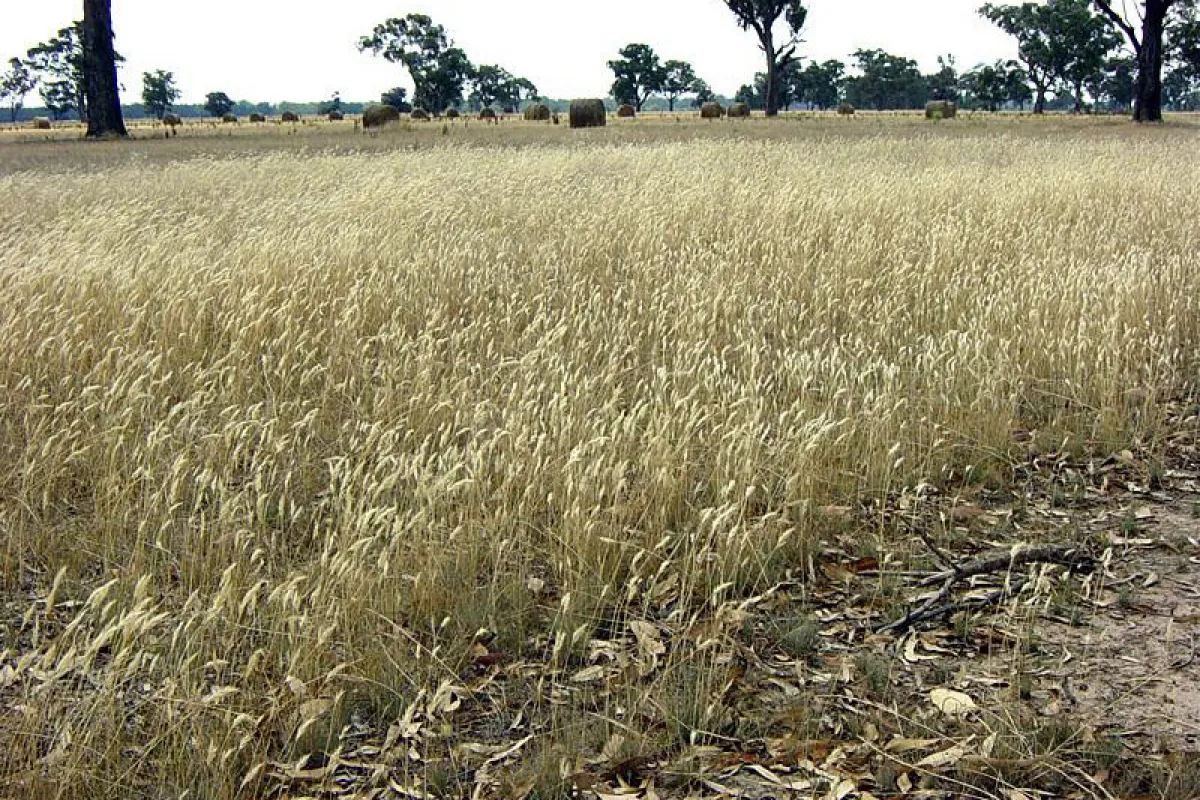
A natural stand of Rytidosperma setaceum. © The University of Melbourne
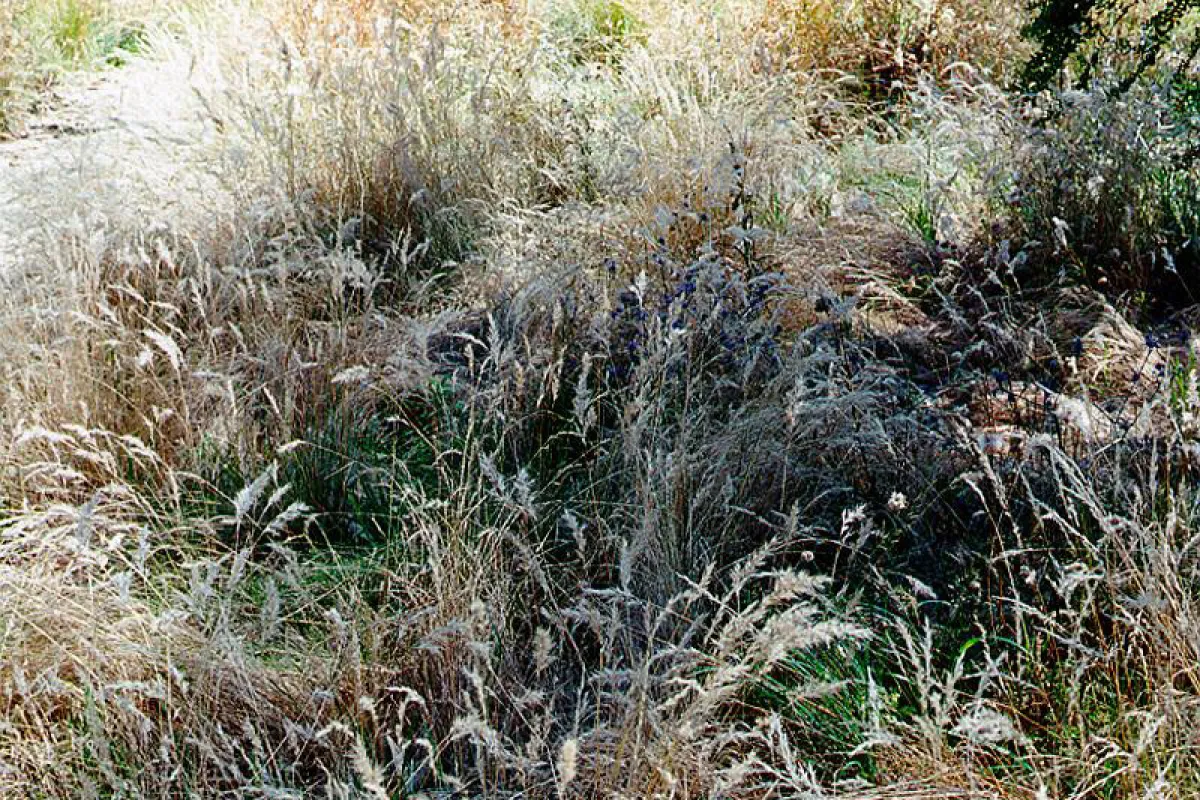
A natural stand of Rytidosperma setaceum. © The University of Melbourne
A natural stand of Rytidosperma setaceum. © The University of Melbourne
A natural stand of Rytidosperma setaceum. © The University of Melbourne
Plant growth form and habit: An erect, tussock-forming perennial grass.
Natural distribution: Vic, NSW, Tas, SA, WA. Widespread across southern Australia in grasslands and open woodlands.
Indigenous to greater Melbourne: Yes
Height category: 0-0.5m
Dimensions (height and width): 0.3-0.6 m x 0.3-0.4 m
Landscape features: Vertical form/foliage
Flowering: Green to purple spikelets, October to January.
Typical growth rate: Medium
Light: Full sun, Partial sun
Drought: Very good
Waterlogging: Moderately good
Maintenance and cultivation notes: Easily raised from seed, and colonises readily. Tolerates mowing in turf, but not very trafficable. Best on infertile soils with a low weed seed bank.
Green roof suitability: Irrigated 10-20 cm depth, Irrigated > 20 cm depth
Butterfly larval host plants: Larval food plant for white-banded grass dart (Taractrocera papyria) and shouldered brown (Heteronympha penelope).
Birds: Provides food for seed-eating birds including red-browed finch. Also attracts larvae-eating birds.
Lizards and frogs: Habitat refuge for small lizards.
Benefits: Butterfly (caterpillar) host, Birds (food source), Lizard habitat
Availability: Victorian Indigenous Nurseries Co-operative (VINC), Bili Nursery, Western Plains Flora, Goldfields Revegetation Native Nursery, Kuranga Native Nursery (availability as of June 2017)
Typical horticultural uses: Groundcover (needs to be planted in high density to achieve groundcover). Suitable for green roofs.

